
Atrazine
Atrazine is the second most widely used herbicide in the United States, with more than 70 million pounds applied annually on corn, sorghum, and sugarcane — despite being banned across the European Union since 2004 over endocrine-disruption concerns. It is one of the most commonly detected contaminants in U.S. groundwater and drinking water: EPA monitoring has found it in all sampled watersheds and roughly 90% of drinking water samples. Atrazine has been linked in research to hormone disruption, reproductive and birth defects, poor sperm quality in humans, and hermaphroditism in amphibians. In 2012, water utilities settled a class-action lawsuit against manufacturer Syngenta for $105 million to help cover the cost of filtering atrazine out of contaminated drinking water supplies.

Dicamba (XtendiMax)
Dicamba is a herbicide paired with genetically engineered dicamba-resistant soybean and cotton seed, but its tendency to volatilize and drift off-target has damaged millions of acres of neighboring non-resistant crops, orchards, and gardens since the resistant-seed system launched. In a bellwether case, a federal jury in the Eastern District of Missouri awarded peach farmer Bill Bader $265 million (later reduced) after finding Bayer (Monsanto) and BASF acted in a conspiracy to promote the dicamba herbicide system knowing it would cause widespread drift damage. The Eighth Circuit Court of Appeals upheld liability in 2023 but vacated the joint punitive-damages award, ordering a new trial to apportion damages separately between the two companies — a case widely seen as a bellwether for numerous other pending dicamba-drift lawsuits nationwide.
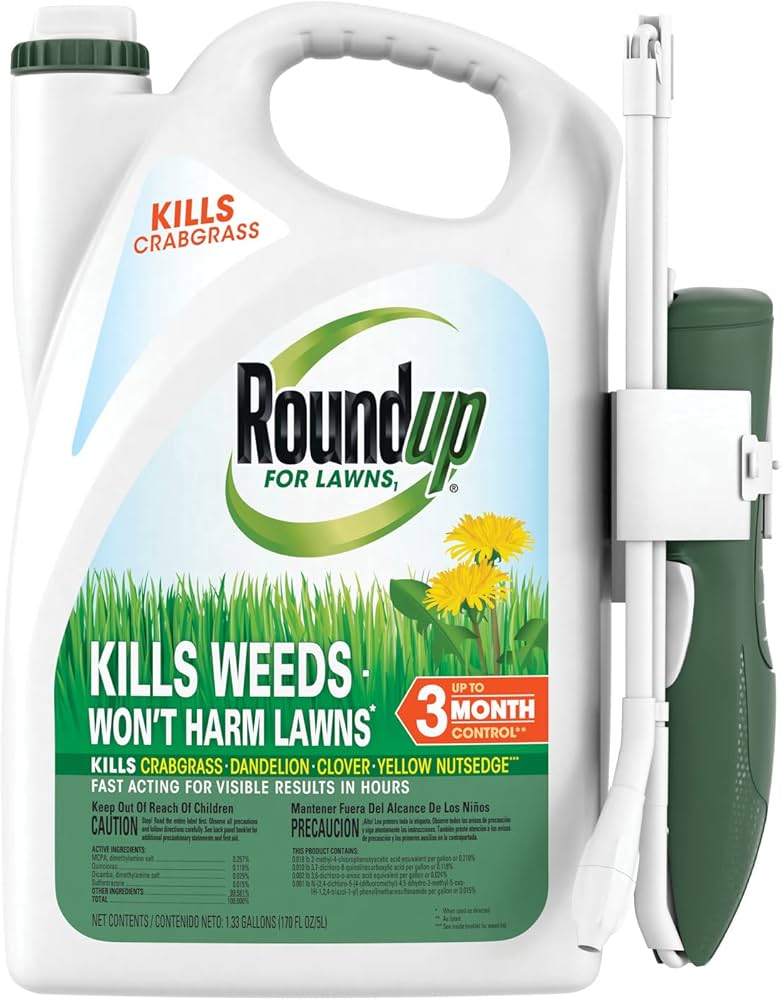
Roundup (Glyphosate)
Glyphosate, Monsanto Roundup
Roundup is the world's most widely used herbicide, containing the active ingredient glyphosate. In 2015, the WHO's IARC classified glyphosate as "probably carcinogenic to humans." Bayer (which acquired Monsanto) has paid over $10 billion to settle tens of thousands of cancer lawsuits. The product remains on sale in most countries.
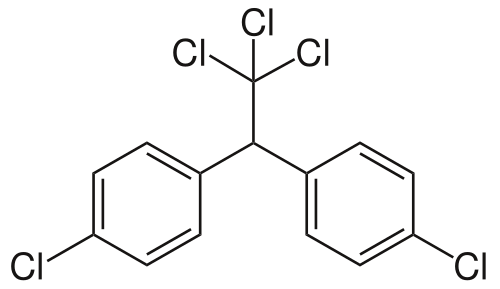
DDT (Dichlorodiphenyltrichloroethane)
DDT is the insecticide that defined modern environmentalism: Rachel Carson's 1962 book Silent Spring documented its devastating effects on birds and wildlife through bioaccumulation, helping spur the creation of the U.S. EPA and leading to a 1972 U.S. ban on its agricultural use. DDT is extremely persistent — it is still detectable in people's bodies, homes, and wildlife more than 50 years after Silent Spring was published. The 2001 Stockholm Convention on Persistent Organic Pollutants banned most uses of DDT worldwide, but carved out an exemption that remains controversial: DDT is still manufactured and sprayed by the thousands of tons each year in some countries for indoor malaria-vector control, a practice public health authorities defend as a net life-saving tradeoff even as environmental groups warn of its lingering ecological toll.
Bedner Growers / Agrotato Cucumbers (Salmonella Outbreak)
Fresh Start Produce Sales Cucumbers
Whole fresh cucumbers grown by Bedner Growers and distributed by Fresh Start Produce Sales, along with cucumbers grown by Agrotato S.A. de C.V. in Sonora, Mexico, were recalled after a multistate Salmonella outbreak. The FDA warned consumers not to sell, serve, or eat cucumbers grown by Bedner Growers between April 29 and May 19, and numerous retailers pulled sliced cucumbers, wraps, and salads made with the implicated produce. The CDC ultimately reported 45 illnesses across 18 states linked to the outbreak strain.
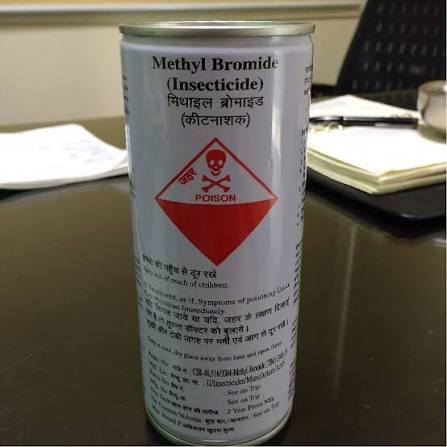
Methyl Bromide
Methyl bromide is an odorless, colorless soil and structural fumigant injected roughly two feet underground to sterilize soil of fungi, weeds, insects, nematodes, and rodents before planting. It is a potent ozone-depleting substance, contributing an estimated 5–15% of future stratospheric ozone loss if left unchecked, which placed it under phase-out obligations of the Montreal Protocol. It is also acutely toxic to humans at the point of fumigation, capable of causing central nervous system and respiratory failure, and has caused documented worker poisoning incidents. Despite the phase-out, the United States continues to apply for and receive "critical use" and quarantine/pre-shipment exemptions from the Montreal Protocol, allowing continued agricultural and shipping use well beyond the original phase-out deadline.
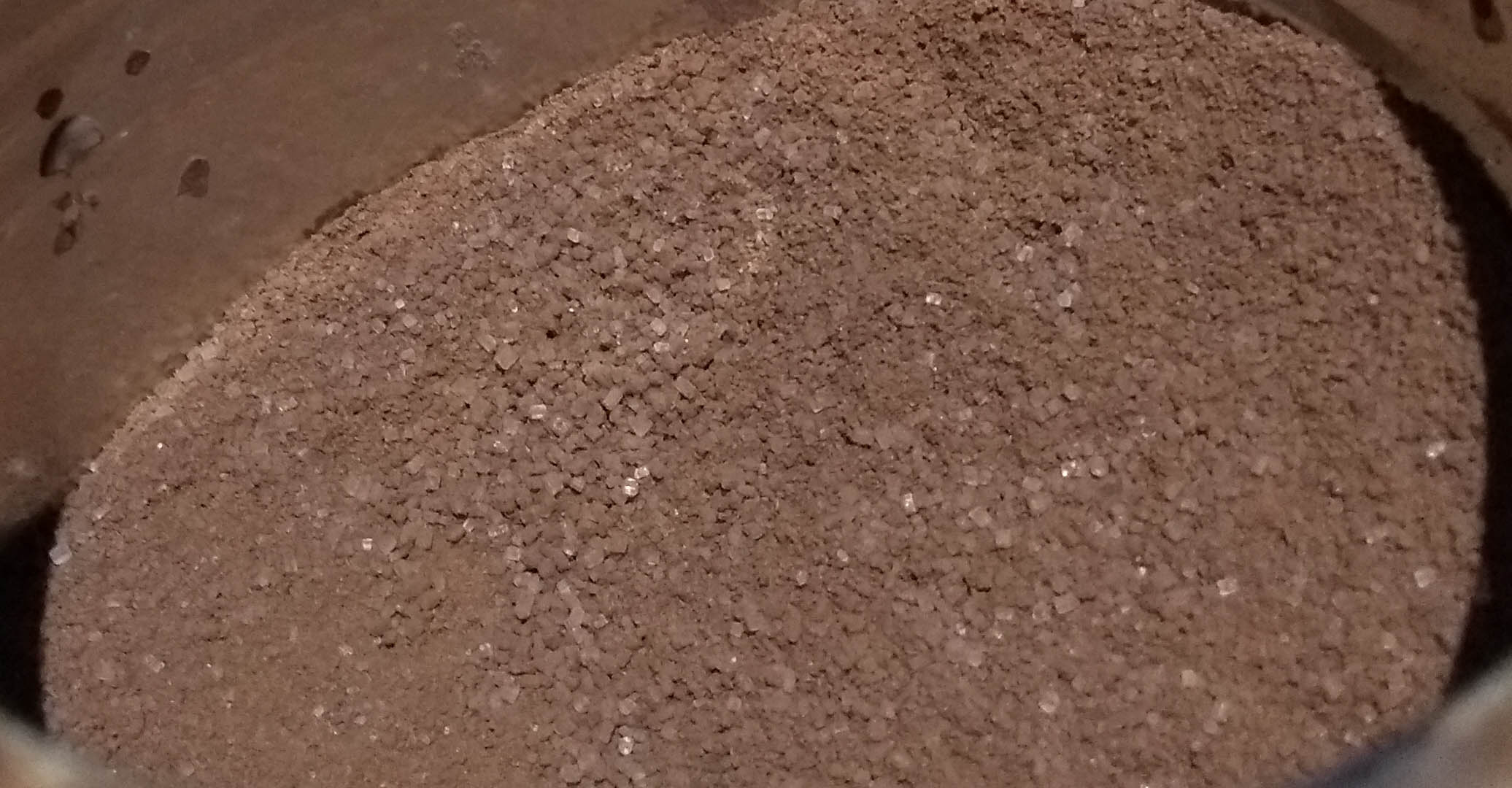
California Dairies Powdered Milk (Salmonella Ingredient Contamination)
Bulk Buttermilk Powder
California Dairies recalled bulk powdered milk and buttermilk powder after the ingredients tested positive for potential Salmonella contamination. Because the powder was sold as a raw ingredient to other manufacturers, the contamination cascaded into a wide range of downstream consumer products, including sour cream & onion seasoning blends and sour cream & onion cheese curds sold under multiple brands with numerous lot numbers and best-by dates. The event illustrates how a single contaminated ingredient lot can trigger dozens of secondary recalls across the food supply chain before any of them reach consumers.
Black Sheep Egg Company Eggs (Salmonella Contamination)
Free Range Large Grade A Brown Eggs
Black Sheep Egg Company of Walnut Ridge, Arkansas recalled its Free Range Large Grade A Brown Eggs after an FDA facility inspection found 40 environmental samples positive for Salmonella, representing seven different strains, some known to cause human illness. The recall covers 12- and 18-count cartons with Best By dates from August 22 through October 31, 2025, sold under UPC codes 860010568507 and 860010568538. Eggs were distributed between July 9 and September 17, 2025, including to other companies in Arkansas and Missouri that may have repackaged them for further distribution to additional states.
GreenWise Organic Frozen Blueberries (E. coli Outbreak)
Frutas y Hortalizas del Sur Blueberries
Frozen GreenWise-brand organic blueberries, grown and packed by Frutas y Hortalizas del Sur S.A. of San Carlos, Chile and imported for U.S. distribution, are under FDA and CDC investigation for a multistate E. coli O145:H28 outbreak. As of the most recent update, 12 illnesses and 4 hospitalizations have been reported, with no deaths, and the last known illness onset was June 5, 2026.
Suzanna's Kitchen Grilled Chicken Breast Fillets (Listeria Recall)
Suzanna's Kitchen, a Norcross, Georgia establishment, recalled approximately 13,720 pounds of ready-to-eat grilled chicken breast fillets — 10-pound cases containing two five-pound bags of fully cooked chicken with rib meat, produced October 14, 2025 under lot code 60104 P1382 287 5 J14 — after a third-party lab sample tested positive for Listeria monocytogenes. The product shipped to distribution centers in Alabama, Florida, Georgia, Missouri, New Hampshire, North Carolina, and Ohio. Ready-to-eat products carry particular risk because, unlike raw meat, they are typically eaten without further cooking that would kill the bacteria. No illnesses had been confirmed as of the recall notice.