Clover Hill Dairy Cheese (Listeria Outbreak)
Requesón, Cuajada
Clover Hill Dairy, LLC of Mechanicsville, Maryland recalled its full range of soft and hard cheeses — including requesón, cuajada, and multiple hard cheese varieties — after FDA and CDC investigators linked the products to a Listeria monocytogenes outbreak spanning several years. As of June 24, 2026, 12 people across 4 states had been confirmed infected with the outbreak strain, 10 of whom were hospitalized and one of whom died in Maryland. Listeria is especially dangerous for pregnant women, newborns, older adults, and people with weakened immune systems, for whom infection can cause miscarriage, stillbirth, sepsis, or death. The recall was expanded on June 18, 2026 to cover every cheese product manufactured at the facility after continued positive environmental samples.
The Kebab Shop Beef Kofta (E. coli Outbreak)
Olympia Foods Beef Kofta
Raw ground beef kofta produced by Olympia Food Industries (doing business as Olympia Foods) in Franklin Park, Illinois and served at The Kebab Shop restaurant locations was confirmed via whole genome sequencing on June 1, 2026 to match an outbreak strain of E. coli O157:H7 that sickened at least 9 people in California, six of them children. Two of the affected children developed hemolytic uremic syndrome (HUS), a life-threatening form of kidney failure. The product was made on January 6, 2026 and distributed to Kebab Shop locations in California, Texas, and Florida. The Kebab Shop pulled beef kofta from all of its menus on May 18, 2026, and FSIS issued a public health alert on May 24 rather than a formal recall because the product was already out of commerce.
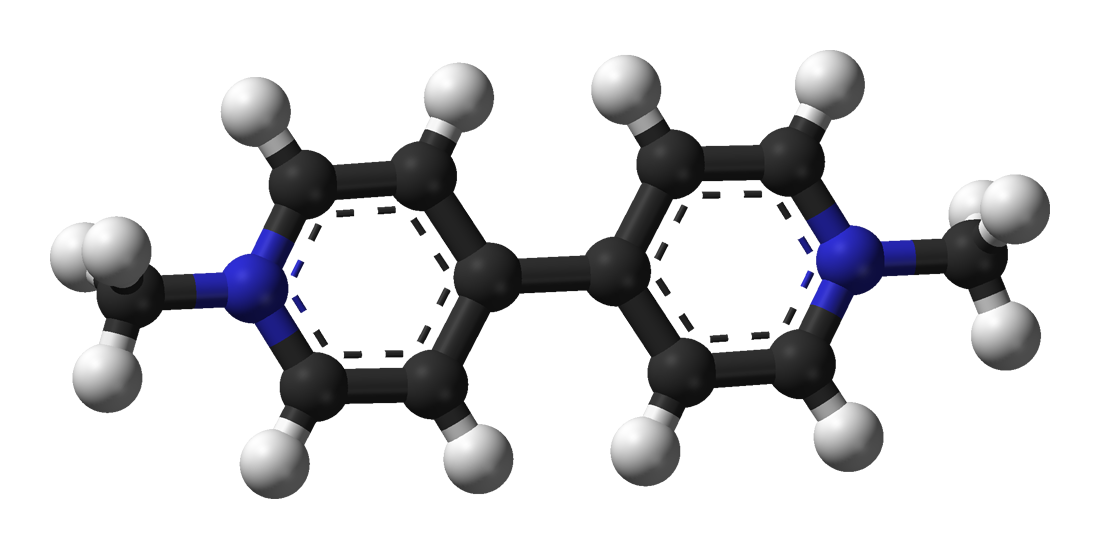
Paraquat (Gramoxone)
Paraquat dichloride
Paraquat is one of the world's most widely used herbicides and one of its most acutely toxic — a small sip can be fatal, and there is no antidote. Long-term exposure has been linked in a growing body of scientific literature to Parkinson's disease, and as of July 2026 there were roughly 1,952 plaintiffs in Philadelphia's Court of Common Pleas and 6,665 cases consolidated in the federal multidistrict litigation against manufacturer Syngenta, alleging the company knew of the Parkinson's risk for decades and failed to warn users. Paraquat is banned in more than 30 countries, including the entire European Union and China, but remains legal for licensed applicators in the United States. In March 2026, Syngenta announced it would stop manufacturing paraquat by the end of June 2026, though existing stock remains in use. A bipartisan U.S. Paraquat Prevention Act, backed by the Parkinson's Foundation, would ban it nationwide and force the EPA to cancel all remaining registrations.

PFAS-Contaminated Biosolid Fertilizer (Sewage Sludge)
Biosolids, Forever Chemical Fertilizer
Treated sewage sludge, marketed as "biosolid" fertilizer, has been spread on farmland across the United States for decades — but it can carry PFAS ("forever chemicals") that never break down in soil or water. In Maine, more than 80 farms have been confirmed contaminated; dairy farmer Fred Stone's herd tested with PFAS levels so high in its milk that the milk could not legally be sold, forcing him to halt production and euthanize his cows. Maine became the first U.S. state to ban land application of PFAS-containing sewage sludge. There are currently no federal limits on PFAS in biosolids and no requirement to test them before farmland application. Farmers filed a federal lawsuit alleging the EPA failed to regulate PFAS in sewage sludge despite decades of internal knowledge of the risk, but a federal district court dismissed the suit in 2025, leaving the regulatory gap unresolved.
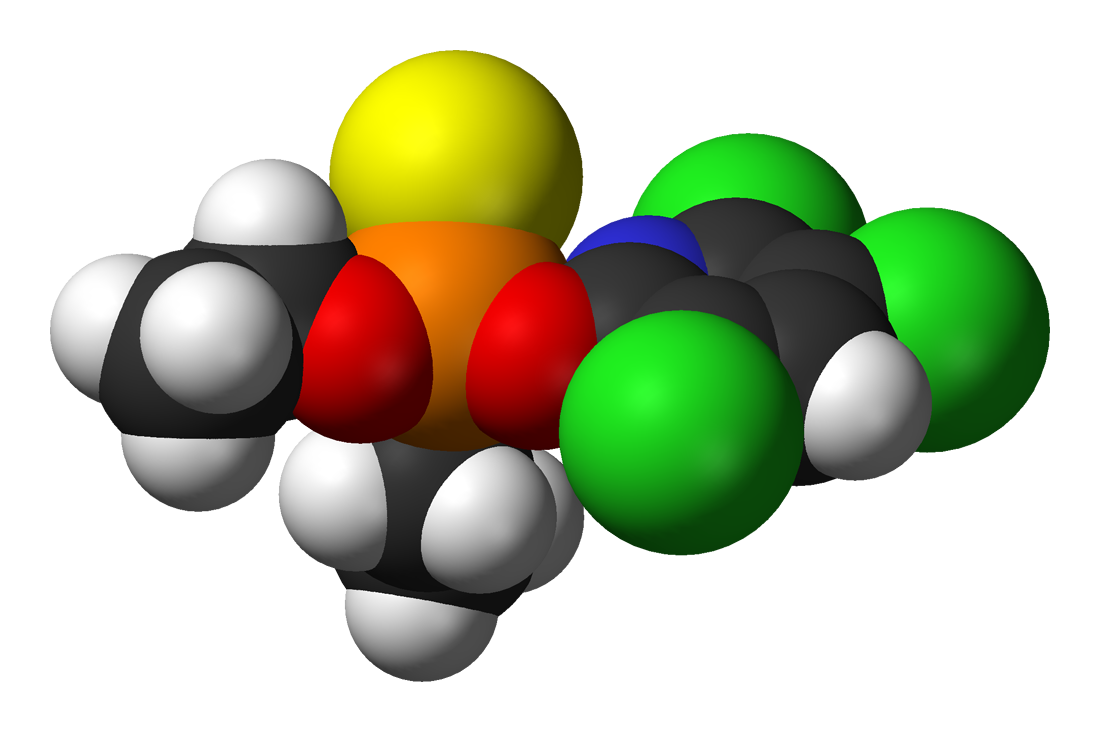
Chlorpyrifos
Lorsban, Dursban
Chlorpyrifos is an organophosphate insecticide tied by a large body of research to neurodevelopmental harm in children, including lower birth weight, reduced IQ, working-memory loss, attention disorders, and delayed motor development from prenatal exposure. The EPA revoked all food-use tolerances in August 2021, effectively banning it on food and animal feed nationwide — but the Eighth Circuit Court of Appeals vacated that rule in November 2023 and reinstated the tolerances after industry challenges. The EPA proposed a narrower rule in December 2024 that would again ban most food uses, carving out exceptions for only 11 crops (alfalfa, apple, asparagus, tart cherry, citrus, cotton, peach, soybean, strawberry, sugar beets, and wheat) in specific states, with an amended risk assessment and interim decision expected in 2026 — a regulatory back-and-forth spanning more than a decade.
Moringa Leaf Powder Supplements (Salmonella Outbreak)
TNVitamins, Live it Up, Doctor's Pride, Why Not Natural, MOGO Moringa
A multistate Salmonella Typhimurium and Salmonella Newport outbreak — including extensively drug-resistant strains in some cases — has been linked to dietary supplements containing imported moringa leaf powder, sold under brands including TNVitamins, Live it Up, Doctor's Pride, Why Not Natural, and MOGO. The outbreak was first identified in January 2026 and, as of the FDA's June 2026 update, has grown to 119 illnesses across 36 states with 32 hospitalizations. Health officials briefly declared the outbreak over in March 2026 before reopening the investigation in May 2026 after additional illnesses emerged, raising concerns about incomplete traceback and continued contaminated product in commerce. The specific supplier or country of origin of the contaminated moringa leaf powder has not been publicly identified.

Dicamba (XtendiMax)
Dicamba is a herbicide paired with genetically engineered dicamba-resistant soybean and cotton seed, but its tendency to volatilize and drift off-target has damaged millions of acres of neighboring non-resistant crops, orchards, and gardens since the resistant-seed system launched. In a bellwether case, a federal jury in the Eastern District of Missouri awarded peach farmer Bill Bader $265 million (later reduced) after finding Bayer (Monsanto) and BASF acted in a conspiracy to promote the dicamba herbicide system knowing it would cause widespread drift damage. The Eighth Circuit Court of Appeals upheld liability in 2023 but vacated the joint punitive-damages award, ordering a new trial to apportion damages separately between the two companies — a case widely seen as a bellwether for numerous other pending dicamba-drift lawsuits nationwide.
GreenWise Organic Frozen Blueberries (E. coli Outbreak)
Frutas y Hortalizas del Sur Blueberries
Frozen GreenWise-brand organic blueberries, grown and packed by Frutas y Hortalizas del Sur S.A. of San Carlos, Chile and imported for U.S. distribution, are under FDA and CDC investigation for a multistate E. coli O145:H28 outbreak. As of the most recent update, 12 illnesses and 4 hospitalizations have been reported, with no deaths, and the last known illness onset was June 5, 2026.