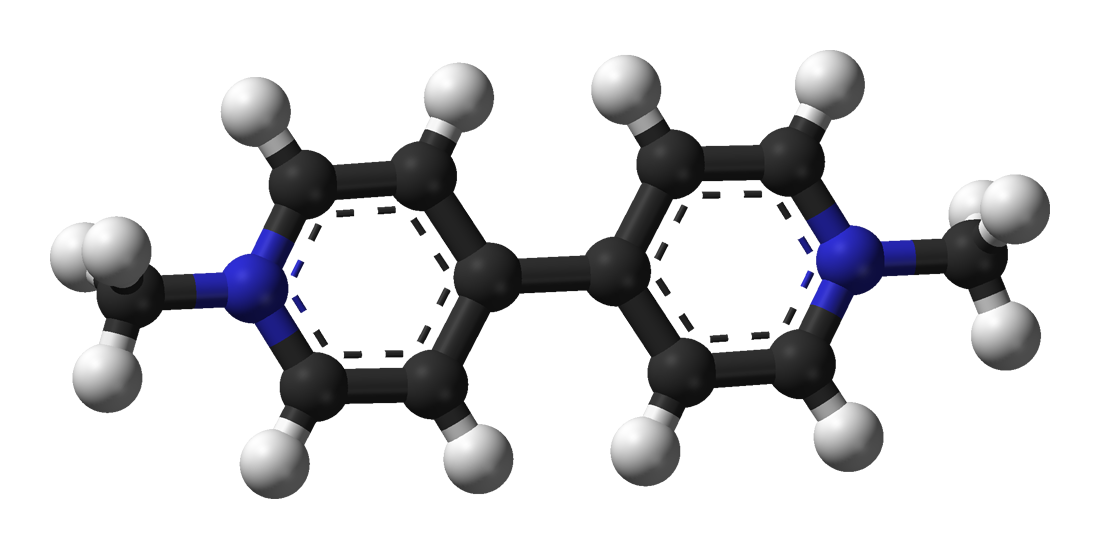
Paraquat (Gramoxone)
Paraquat dichloride
High risk — documented harm to users
Product
Active
Product
Active
Safety Risk
8.5/10
Affiliations
Syngenta
Product Details
us_status
Legal for licensed applicators only
Manufacturer
Syngenta
chemical_class
Bipyridylium herbicide
countries_banned
30+, including the EU and China
primary_allegation
Parkinson's disease from long-term exposure
litigation_plaintiffs
~8,600 combined (state + federal MDL, July 2026)
Summary
Paraquat is one of the world's most widely used herbicides and one of its most acutely toxic — a small sip can be fatal, and there is no antidote. Long-term exposure has been linked in a growing body of scientific literature to Parkinson's disease, and as of July 2026 there were roughly 1,952 plaintiffs in Philadelphia's Court of Common Pleas and 6,665 cases consolidated in the federal multidistrict litigation against manufacturer Syngenta, alleging the company knew of the Parkinson's risk for decades and failed to warn users. Paraquat is banned in more than 30 countries, including the entire European Union and China, but remains legal for licensed applicators in the United States. In March 2026, Syngenta announced it would stop manufacturing paraquat by the end of June 2026, though existing stock remains in use. A bipartisan U.S. Paraquat Prevention Act, backed by the Parkinson's Foundation, would ban it nationwide and force the EPA to cancel all remaining registrations.
Timeline
2026-03-01
Syngenta announces it will stop manufacturing paraquat by the end of June 2026.
2026-03-15
A federal judge approves a qualified settlement fund for the paraquat MDL, though no settlement is finalized.
2026-07-01
Litigation reaches 1,952 state-court plaintiffs (Philadelphia) and 6,665 federal MDL cases.
Evidence & Sources
Created
7/17/2026
Last Update
7/17/2026