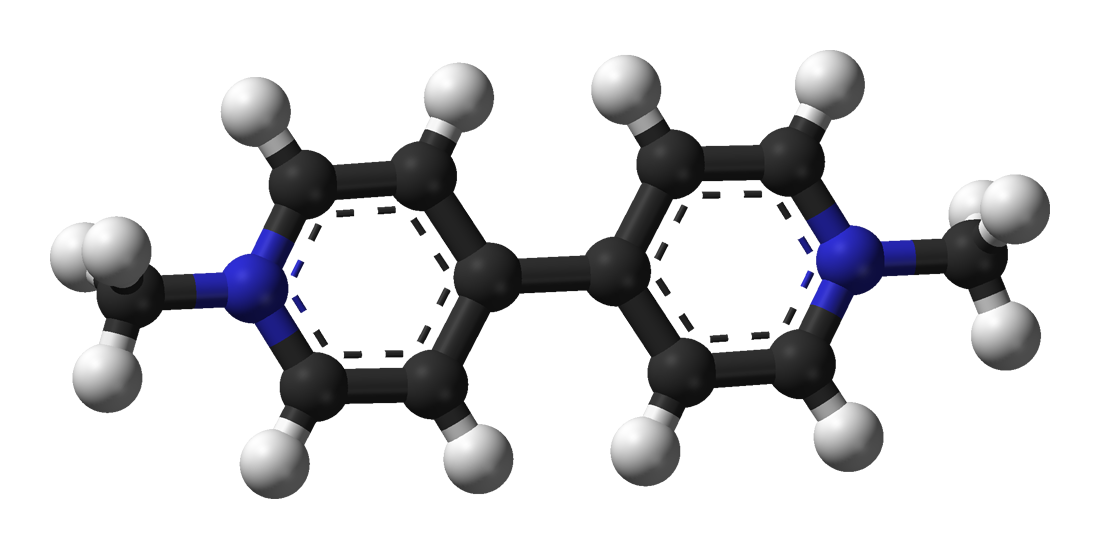
Paraquat (Gramoxone)
Paraquat dichloride
Paraquat is one of the world's most widely used herbicides and one of its most acutely toxic — a small sip can be fatal, and there is no antidote. Long-term exposure has been linked in a growing body of scientific literature to Parkinson's disease, and as of July 2026 there were roughly 1,952 plaintiffs in Philadelphia's Court of Common Pleas and 6,665 cases consolidated in the federal multidistrict litigation against manufacturer Syngenta, alleging the company knew of the Parkinson's risk for decades and failed to warn users. Paraquat is banned in more than 30 countries, including the entire European Union and China, but remains legal for licensed applicators in the United States. In March 2026, Syngenta announced it would stop manufacturing paraquat by the end of June 2026, though existing stock remains in use. A bipartisan U.S. Paraquat Prevention Act, backed by the Parkinson's Foundation, would ban it nationwide and force the EPA to cancel all remaining registrations.

PFAS-Contaminated Biosolid Fertilizer (Sewage Sludge)
Biosolids, Forever Chemical Fertilizer
Treated sewage sludge, marketed as "biosolid" fertilizer, has been spread on farmland across the United States for decades — but it can carry PFAS ("forever chemicals") that never break down in soil or water. In Maine, more than 80 farms have been confirmed contaminated; dairy farmer Fred Stone's herd tested with PFAS levels so high in its milk that the milk could not legally be sold, forcing him to halt production and euthanize his cows. Maine became the first U.S. state to ban land application of PFAS-containing sewage sludge. There are currently no federal limits on PFAS in biosolids and no requirement to test them before farmland application. Farmers filed a federal lawsuit alleging the EPA failed to regulate PFAS in sewage sludge despite decades of internal knowledge of the risk, but a federal district court dismissed the suit in 2025, leaving the regulatory gap unresolved.
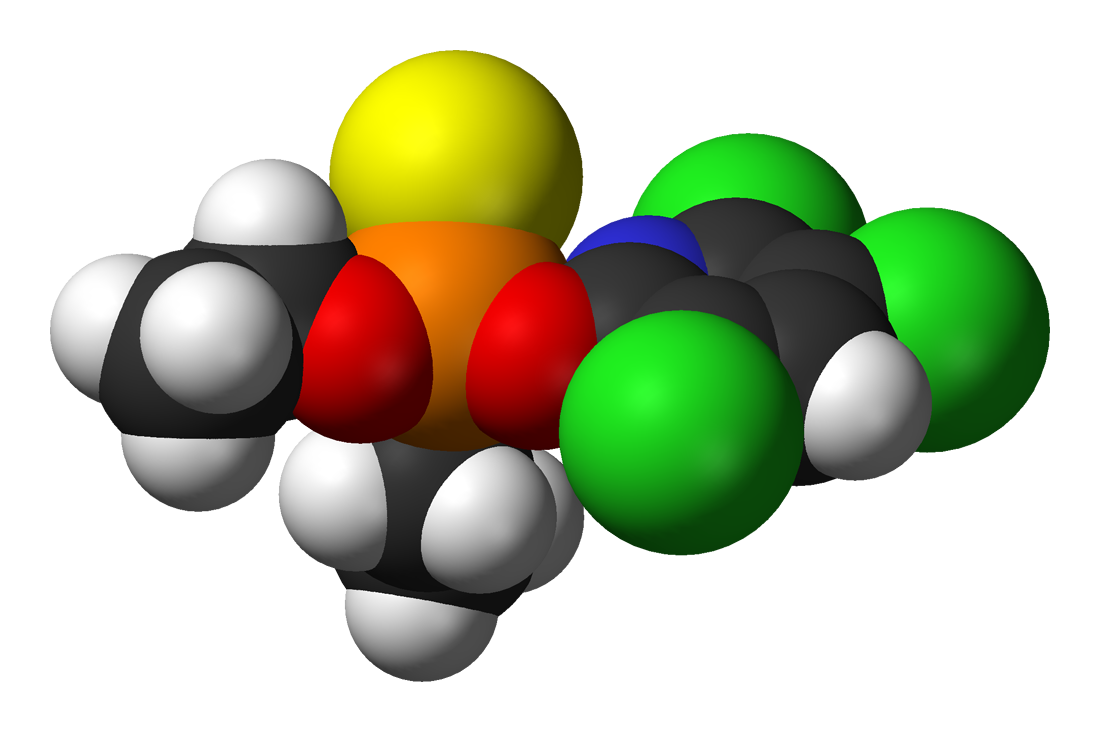
Chlorpyrifos
Lorsban, Dursban
Chlorpyrifos is an organophosphate insecticide tied by a large body of research to neurodevelopmental harm in children, including lower birth weight, reduced IQ, working-memory loss, attention disorders, and delayed motor development from prenatal exposure. The EPA revoked all food-use tolerances in August 2021, effectively banning it on food and animal feed nationwide — but the Eighth Circuit Court of Appeals vacated that rule in November 2023 and reinstated the tolerances after industry challenges. The EPA proposed a narrower rule in December 2024 that would again ban most food uses, carving out exceptions for only 11 crops (alfalfa, apple, asparagus, tart cherry, citrus, cotton, peach, soybean, strawberry, sugar beets, and wheat) in specific states, with an amended risk assessment and interim decision expected in 2026 — a regulatory back-and-forth spanning more than a decade.

Neonicotinoid Insecticides (Imidacloprid, Clothianidin, Thiamethoxam)
Neonics
Neonicotinoid insecticides — most notably imidacloprid, clothianidin, and thiamethoxam — are widely used as seed coatings and sprays and have been strongly linked to honey-bee colony collapse disorder, causing disorientation and mass die-offs sometimes described as "mad bee disease." The European Union banned outdoor use of the three core neonicotinoids in 2013 and expanded the ban in 2018; as of 2026 the EU has moved to prohibit imports of products containing even trace amounts of the banned chemicals. Enforcement has been contested: pesticide manufacturers and growers have used emergency-use exemptions extensively, with more than 200 granted across the EU in 2023 alone, nearly half involving neonicotinoids. The chemicals remain broadly legal and widely used in the United States.
DBCP (Nemagon / Fumazone)
Dibromochloropropane
DBCP (dibromochloropropane), sold as Nemagon or Fumazone, was a nematocide used heavily on Central American banana plantations. Manufacturers Dow Chemical and Shell Chemical had internal exposure studies dating to the 1950s showing testicular atrophy and reduced sperm counts in animals, yet the chemical continued to be applied on plantations operated by Dole, Chiquita, and Fresh Del Monte even after DBCP was banned in the United States in 1979 due to worker sterility concerns. Thousands of Central American banana workers who used the chemical without protective equipment developed sterility and, they allege, cancer. A 2006 Nicaraguan court ordered Dow, Shell, and Dole to pay $805 million in damages, but the companies withdrew their assets from Nicaragua and the judgment was never enforced, leading affected workers to pursue enforcement action in French courts, most recently rejected on appeal in February 2026.

Atrazine
Atrazine is the second most widely used herbicide in the United States, with more than 70 million pounds applied annually on corn, sorghum, and sugarcane — despite being banned across the European Union since 2004 over endocrine-disruption concerns. It is one of the most commonly detected contaminants in U.S. groundwater and drinking water: EPA monitoring has found it in all sampled watersheds and roughly 90% of drinking water samples. Atrazine has been linked in research to hormone disruption, reproductive and birth defects, poor sperm quality in humans, and hermaphroditism in amphibians. In 2012, water utilities settled a class-action lawsuit against manufacturer Syngenta for $105 million to help cover the cost of filtering atrazine out of contaminated drinking water supplies.

Dicamba (XtendiMax)
Dicamba is a herbicide paired with genetically engineered dicamba-resistant soybean and cotton seed, but its tendency to volatilize and drift off-target has damaged millions of acres of neighboring non-resistant crops, orchards, and gardens since the resistant-seed system launched. In a bellwether case, a federal jury in the Eastern District of Missouri awarded peach farmer Bill Bader $265 million (later reduced) after finding Bayer (Monsanto) and BASF acted in a conspiracy to promote the dicamba herbicide system knowing it would cause widespread drift damage. The Eighth Circuit Court of Appeals upheld liability in 2023 but vacated the joint punitive-damages award, ordering a new trial to apportion damages separately between the two companies — a case widely seen as a bellwether for numerous other pending dicamba-drift lawsuits nationwide.

Democratic Party
Democrats, DNC
One of the two major political parties in the United States, founded in 1828. Historically associated with progressive social policy, civil rights legislation, and government intervention in the economy. Currently the party of opposition in the U.S. Congress as of 2025.
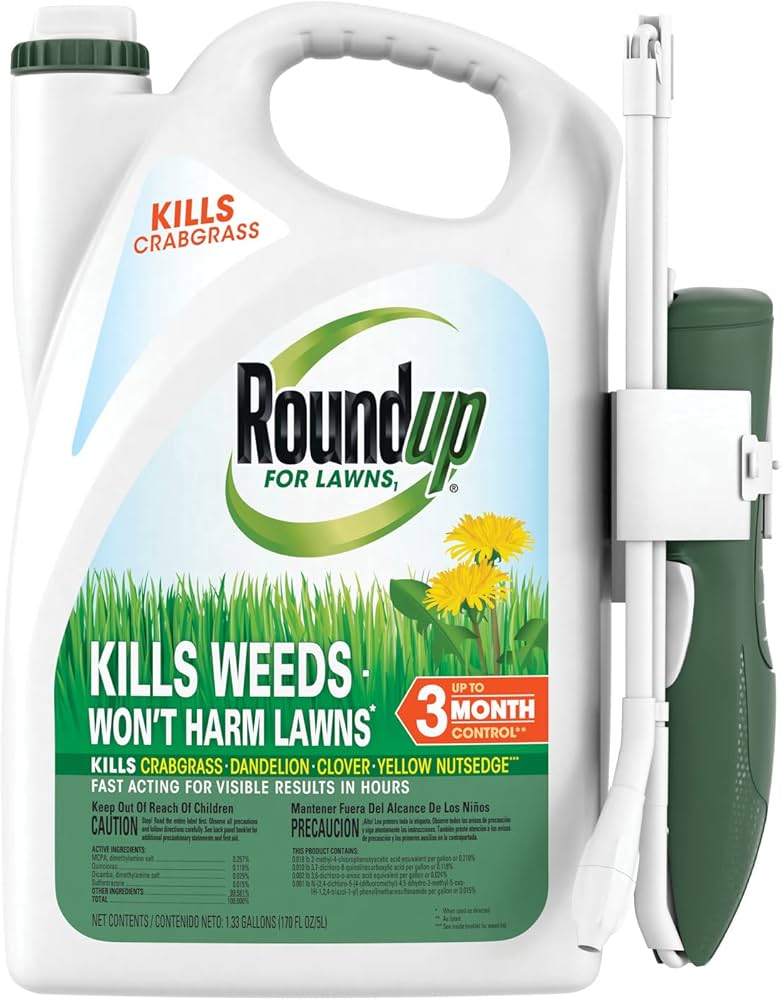
Roundup (Glyphosate)
Glyphosate, Monsanto Roundup
Roundup is the world's most widely used herbicide, containing the active ingredient glyphosate. In 2015, the WHO's IARC classified glyphosate as "probably carcinogenic to humans." Bayer (which acquired Monsanto) has paid over $10 billion to settle tens of thousands of cancer lawsuits. The product remains on sale in most countries.
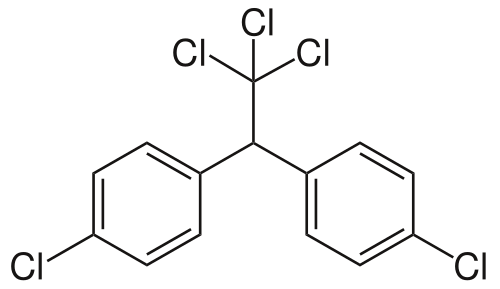
DDT (Dichlorodiphenyltrichloroethane)
DDT is the insecticide that defined modern environmentalism: Rachel Carson's 1962 book Silent Spring documented its devastating effects on birds and wildlife through bioaccumulation, helping spur the creation of the U.S. EPA and leading to a 1972 U.S. ban on its agricultural use. DDT is extremely persistent — it is still detectable in people's bodies, homes, and wildlife more than 50 years after Silent Spring was published. The 2001 Stockholm Convention on Persistent Organic Pollutants banned most uses of DDT worldwide, but carved out an exemption that remains controversial: DDT is still manufactured and sprayed by the thousands of tons each year in some countries for indoor malaria-vector control, a practice public health authorities defend as a net life-saving tradeoff even as environmental groups warn of its lingering ecological toll.