MSF, Doctors Without Borders
Médecins Sans Frontières (MSF) is an international humanitarian medical NGO that provides emergency medical care in conflict zones, epidemics, and natural disasters. Operating in over 70 countries, MSF won the Nobel Peace Prize in 1999. It is one of the most respected humanitarian organizations in the world.
AI
Amnesty International is a global human rights NGO founded in 1961, headquartered in London. It campaigns for the release of political prisoners, documents torture and executions, and advocates for human rights worldwide. Nobel Peace Prize recipient in 1977.
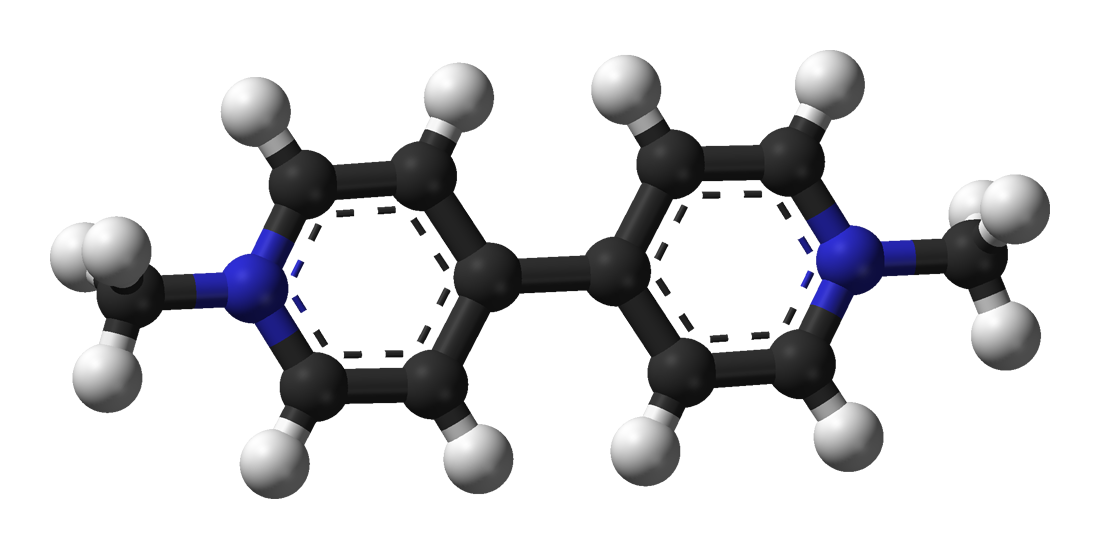
Paraquat dichloride
Paraquat is one of the world's most widely used herbicides and one of its most acutely toxic — a small sip can be fatal, and there is no antidote. Long-term exposure has been linked in a growing body of scientific literature to Parkinson's disease, and as of July 2026 there were roughly 1,952 plaintiffs in Philadelphia's Court of Common Pleas and 6,665 cases consolidated in the federal multidistrict litigation against manufacturer Syngenta, alleging the company knew of the Parkinson's risk for decades and failed to warn users. Paraquat is banned in more than 30 countries, including the entire European Union and China, but remains legal for licensed applicators in the United States. In March 2026, Syngenta announced it would stop manufacturing paraquat by the end of June 2026, though existing stock remains in use. A bipartisan U.S. Paraquat Prevention Act, backed by the Parkinson's Foundation, would ban it nationwide and force the EPA to cancel all remaining registrations.

Neonics
Neonicotinoid insecticides — most notably imidacloprid, clothianidin, and thiamethoxam — are widely used as seed coatings and sprays and have been strongly linked to honey-bee colony collapse disorder, causing disorientation and mass die-offs sometimes described as "mad bee disease." The European Union banned outdoor use of the three core neonicotinoids in 2013 and expanded the ban in 2018; as of 2026 the EU has moved to prohibit imports of products containing even trace amounts of the banned chemicals. Enforcement has been contested: pesticide manufacturers and growers have used emergency-use exemptions extensively, with more than 200 granted across the EU in 2023 alone, nearly half involving neonicotinoids. The chemicals remain broadly legal and widely used in the United States.
Glyphosate, Monsanto Roundup
Roundup is the world's most widely used herbicide, containing the active ingredient glyphosate. In 2015, the WHO's IARC classified glyphosate as "probably carcinogenic to humans." Bayer (which acquired Monsanto) has paid over $10 billion to settle tens of thousands of cancer lawsuits. The product remains on sale in most countries.
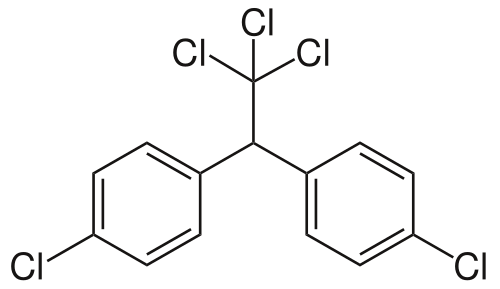
DDT is the insecticide that defined modern environmentalism: Rachel Carson's 1962 book Silent Spring documented its devastating effects on birds and wildlife through bioaccumulation, helping spur the creation of the U.S. EPA and leading to a 1972 U.S. ban on its agricultural use. DDT is extremely persistent — it is still detectable in people's bodies, homes, and wildlife more than 50 years after Silent Spring was published. The 2001 Stockholm Convention on Persistent Organic Pollutants banned most uses of DDT worldwide, but carved out an exemption that remains controversial: DDT is still manufactured and sprayed by the thousands of tons each year in some countries for indoor malaria-vector control, a practice public health authorities defend as a net life-saving tradeoff even as environmental groups warn of its lingering ecological toll.
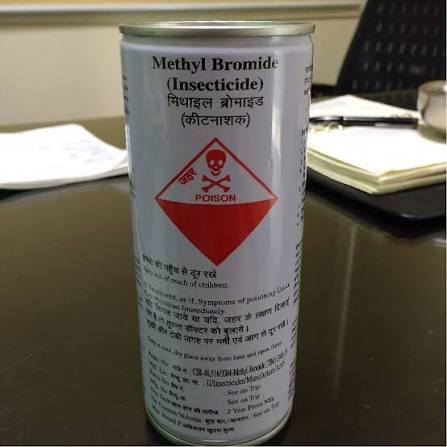
Methyl bromide is an odorless, colorless soil and structural fumigant injected roughly two feet underground to sterilize soil of fungi, weeds, insects, nematodes, and rodents before planting. It is a potent ozone-depleting substance, contributing an estimated 5–15% of future stratospheric ozone loss if left unchecked, which placed it under phase-out obligations of the Montreal Protocol. It is also acutely toxic to humans at the point of fumigation, capable of causing central nervous system and respiratory failure, and has caused documented worker poisoning incidents. Despite the phase-out, the United States continues to apply for and receive "critical use" and quarantine/pre-shipment exemptions from the Montreal Protocol, allowing continued agricultural and shipping use well beyond the original phase-out deadline.

Davos, WEF
The World Economic Forum Annual Meeting in Davos, Switzerland, brings together heads of state, CEOs, and global elites to discuss economic and geopolitical issues. Critics argue it represents undemocratic global governance by the ultra-wealthy, while supporters say it fosters international cooperation.

iPhone 15, iPhone 16, iPhone 17 Pro Max
The Apple iPhone, first released in 2007, revolutionized the smartphone industry and personal computing. Used by over 1 billion people worldwide. While broadly safe and transformative, concerns exist around planned obsolescence, child labor in supply chains, data privacy, and screen time addiction effects on youth.
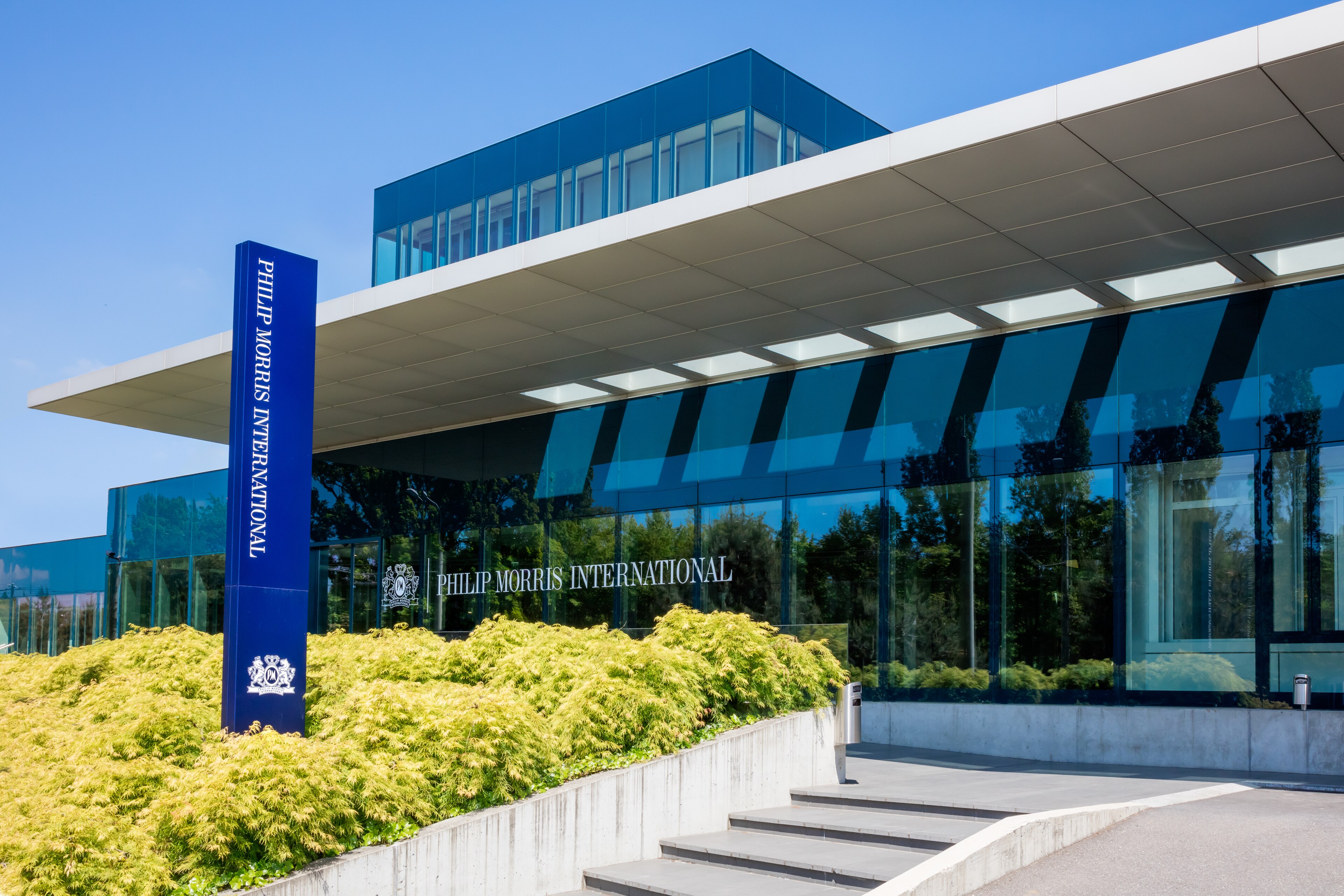
PMI, Altria
Philip Morris International is one of the world's largest tobacco companies, responsible for producing Marlboro cigarettes. Historically concealed evidence of tobacco's health risks for decades, funded misleading research, and aggressively marketed to youth. Tobacco use kills 8 million people annually worldwide.