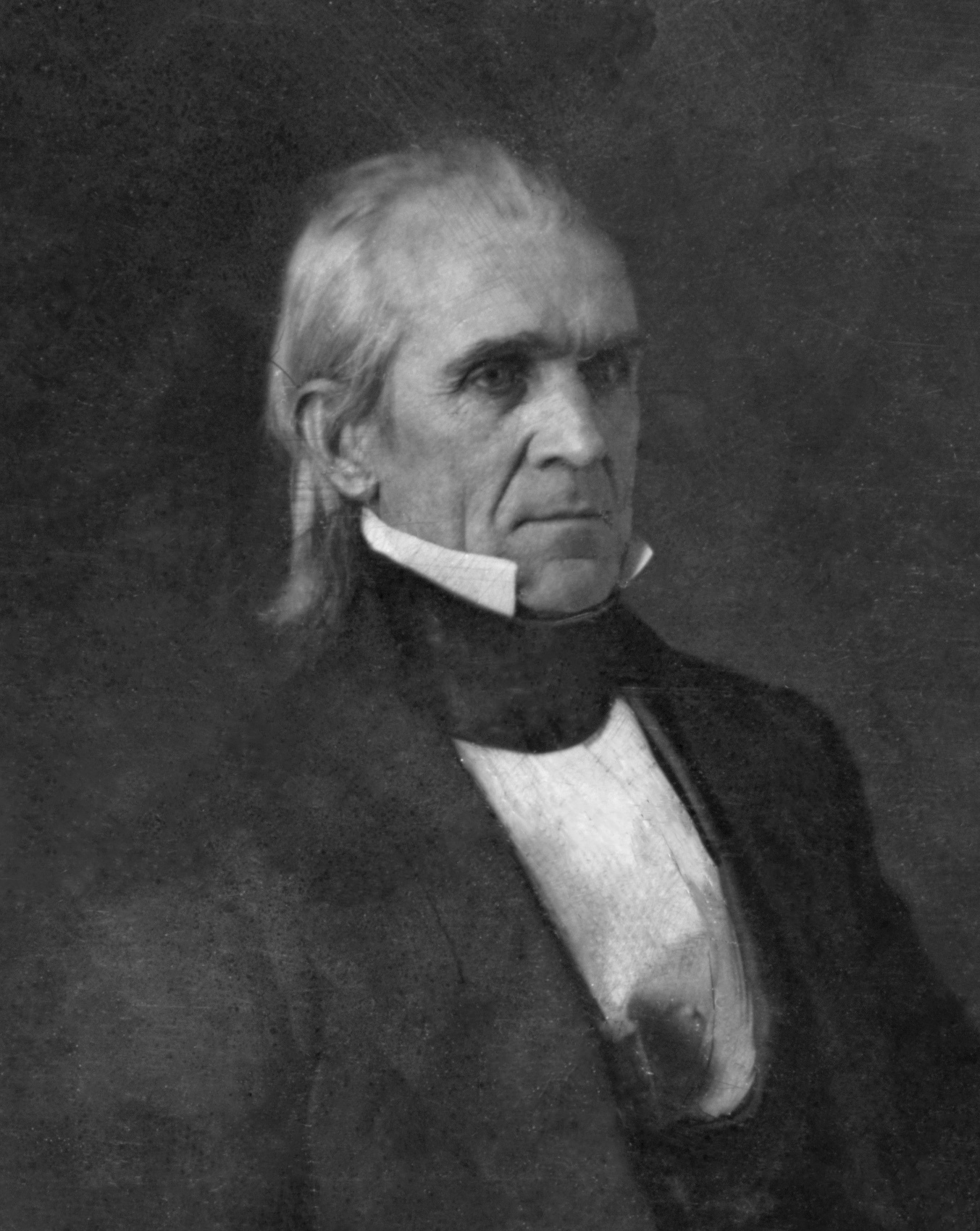
James K. Polk
James Knox Polk was the 11th president of the United States, serving from 1845 to 1849. A protégé of Andrew Jackson and a member of the Democratic Party, he was an advocate of American expansionism and Jacksonian democracy. Polk saw Texas join the Union in his first year in office, one of the precipitating causes that soon led the U.S. into the Mexican–American War. The settlement of that war expanded American territory to the Pacific Ocean. During his term, the dispute over the Oregon Territory with the United Kingdom was resolved as well, creating the present U.S.-Canadian boundary.
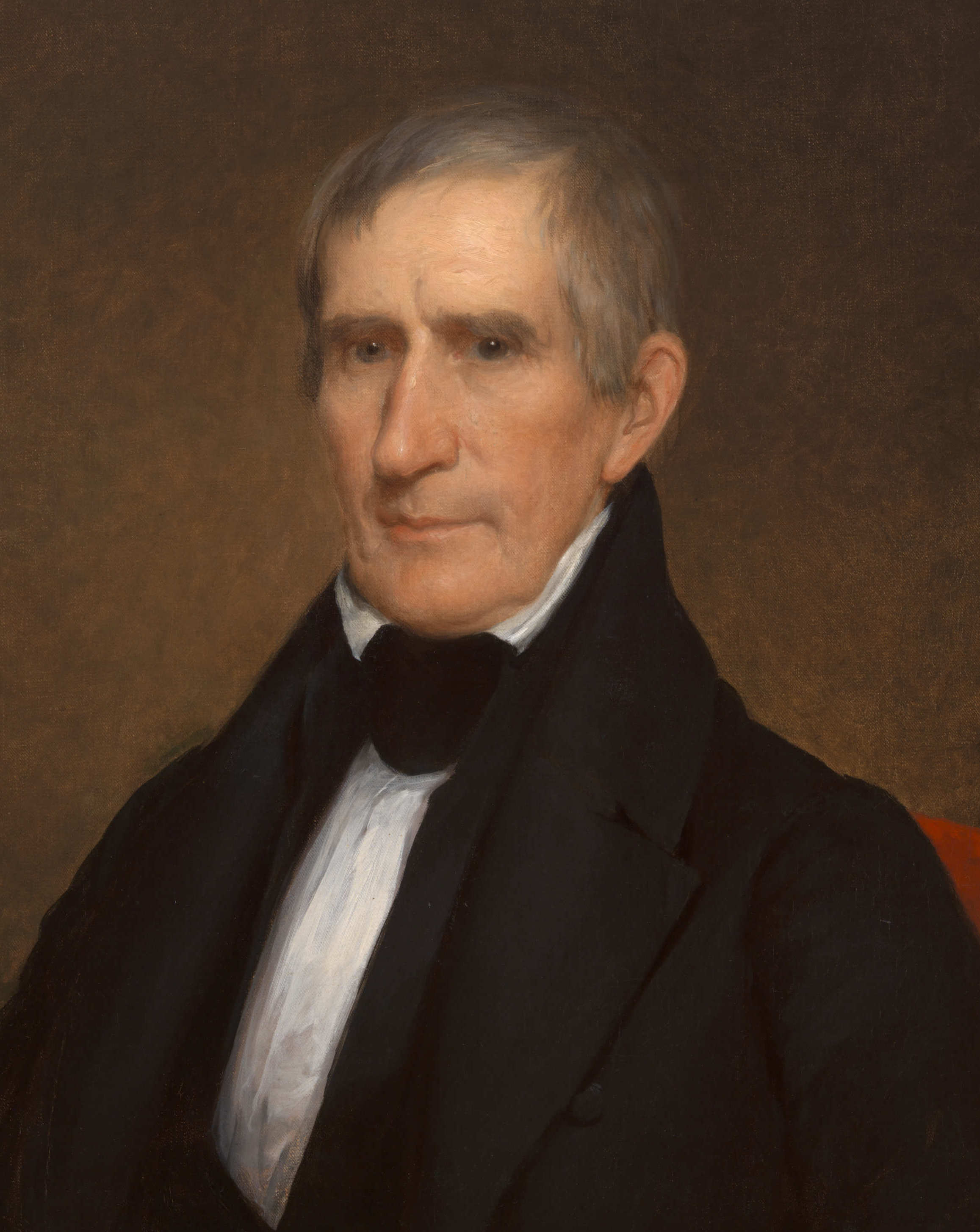
William Henry Harrison
William Henry Harrison was the ninth president of the United States from March to April 1841. He died 31 days into his term, making him the shortest serving president and the first president to die in office. Immediately after his death, Vice President John Tyler took over, ending the constitutional crisis that had been triggered by the question of presidential succession in the U.S. Constitution.
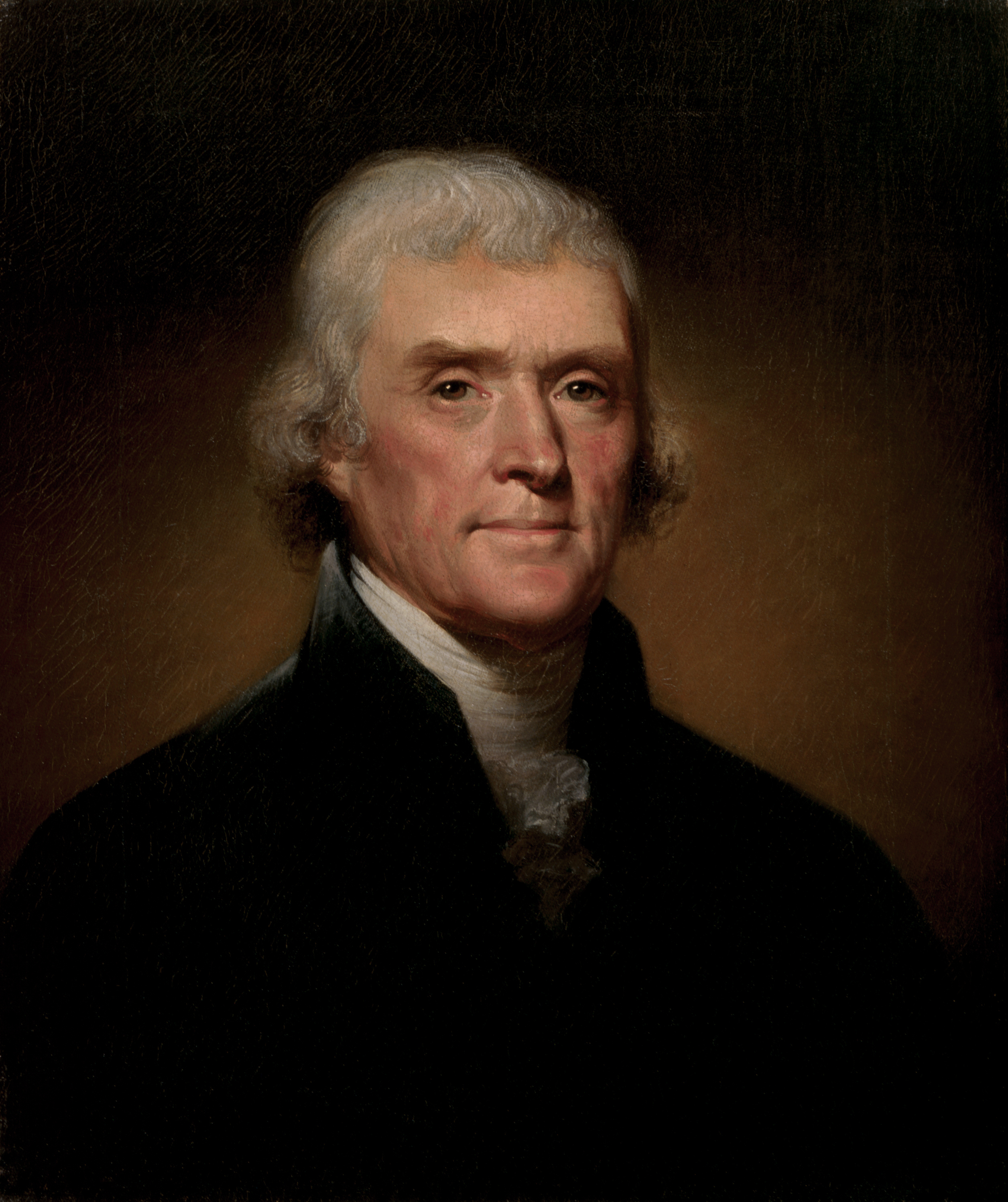
Thomas Jefferson
Thomas Jefferson was a Founding Father and the third president of the United States from 1801 to 1809. He was also the second vice president, under John Adams, from 1797 to 1801. During the American Revolution, Jefferson was the principal author of the Declaration of Independence.
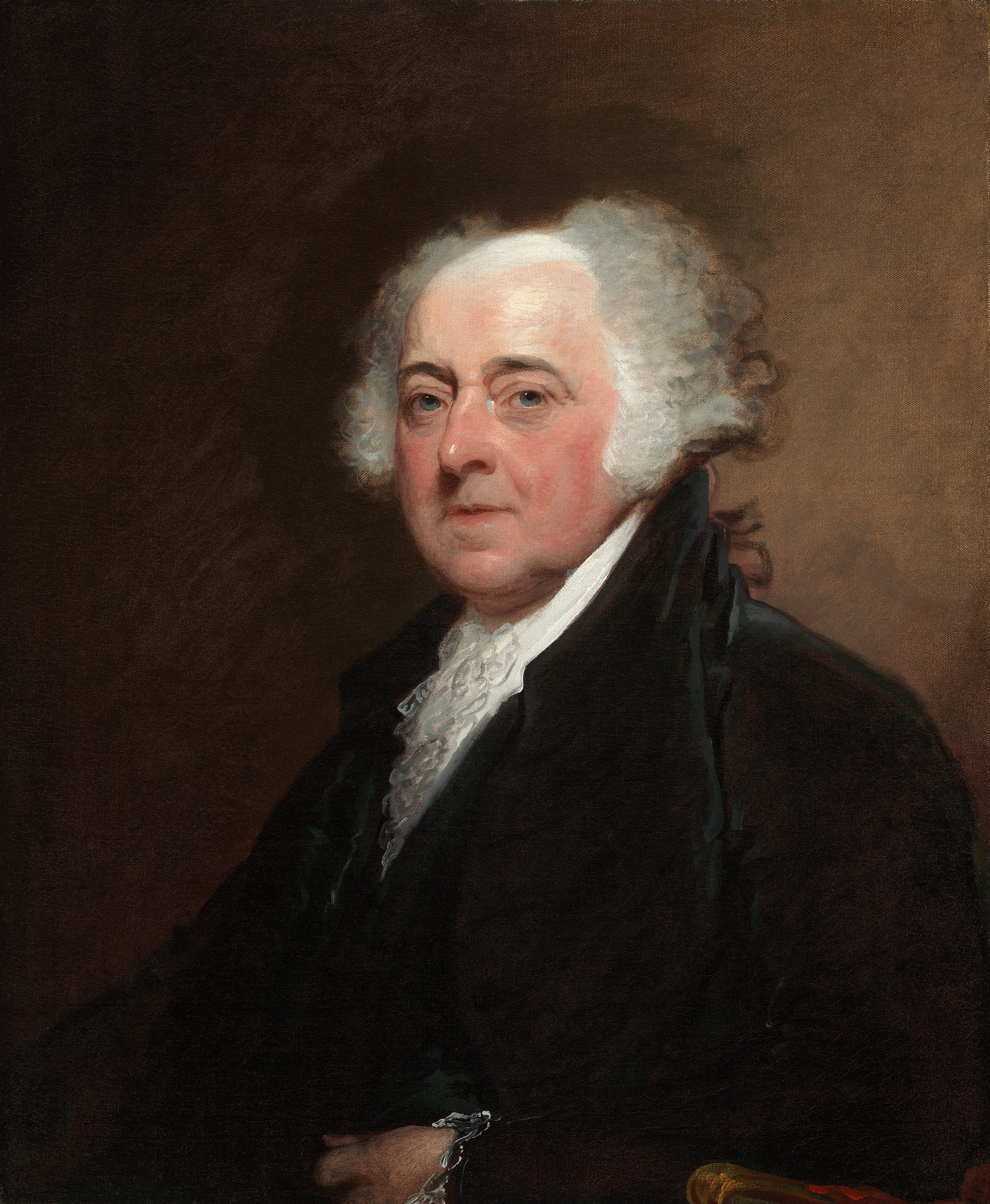
John Adams
John Adams was a Founding Father and the second president of the United States from 1797 to 1801. Before his presidency, he was a leader of the American Revolution that achieved independence from Great Britain. During the latter part of the Revolutionary War and in the early years of the new nation, he served the Continental Congress of the United States as a senior diplomat in Europe. Adams was the first vice president of the United States, serving from 1789 to 1797. He was a dedicated diarist and regularly corresponded with contemporaries, including his wife and advisor Abigail Adams and his friend and rival Thomas Jefferson.
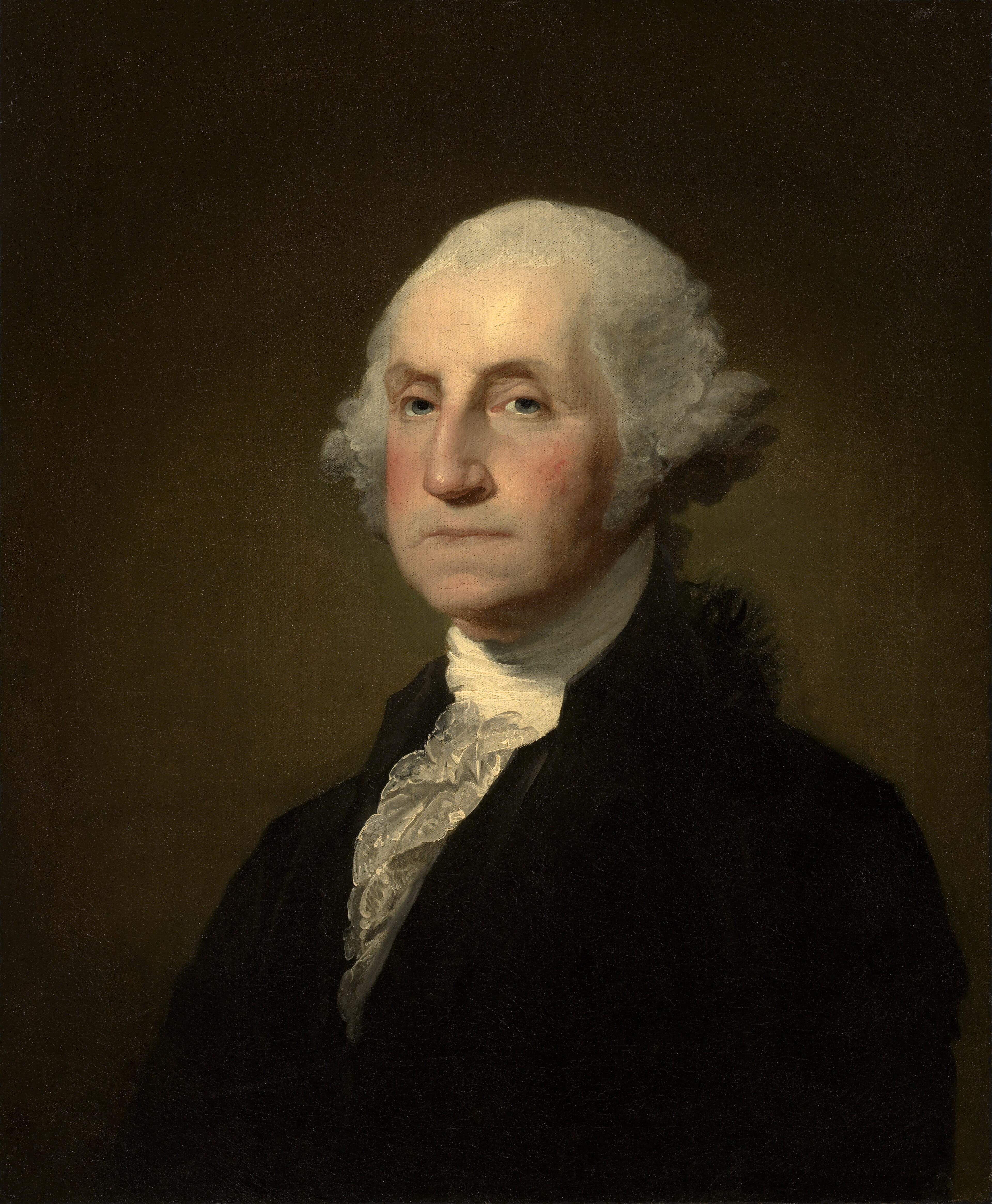
George Washington
George Washington was a Founding Father and the first president of the United States, serving from 1789 to 1797. As commander of the Continental Army, Washington led Patriot forces to victory in the American Revolutionary War against the British Empire. He is commonly known as the Father of His Country for his role in bringing about American independence.
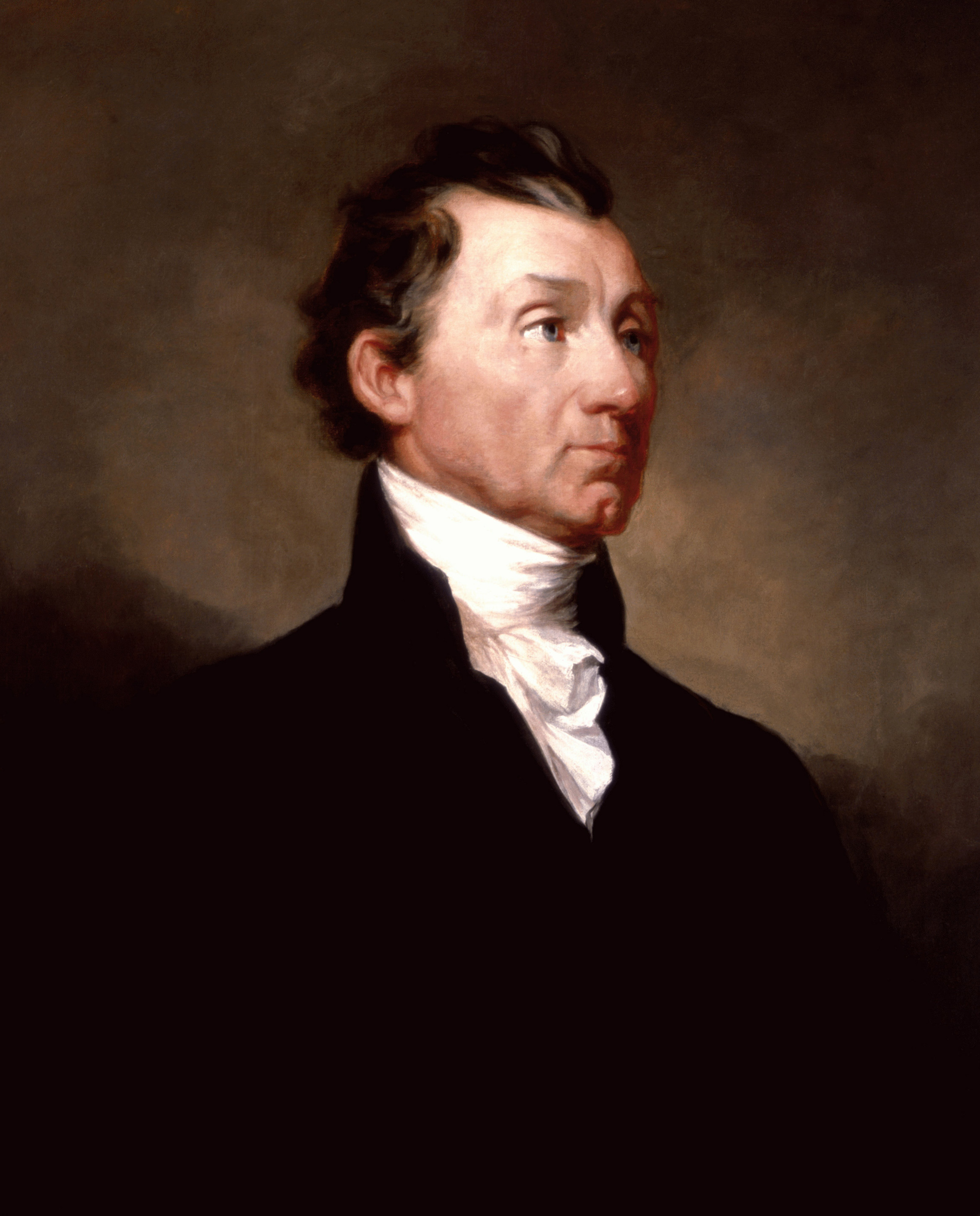
James Monroe
James Monroe was a Founding Father and the fifth president of the United States, serving from 1817 to 1825. He was the last Founding Father to serve as president, as well as the last president of the Virginia dynasty. A member of the Democratic-Republican Party, Monroe's presidency coincided with the Era of Good Feelings, in which the First Party System era of American politics concluded. He issued the Monroe Doctrine, a policy aimed at limiting European colonialism in the Americas.
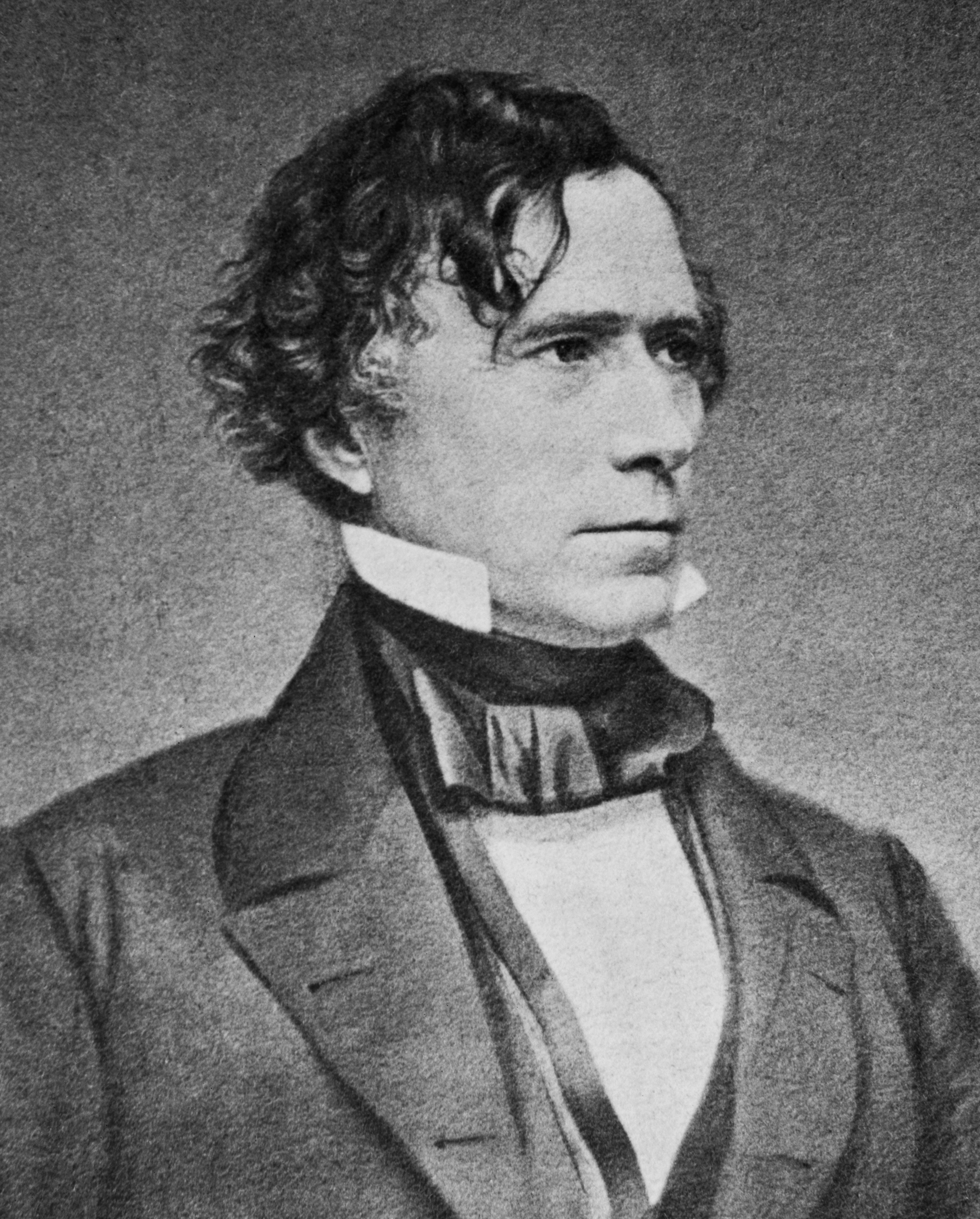
Franklin Pierce
Franklin Pierce was the 14th president of the United States, serving from 1853 to 1857. A northern Democrat who believed that the abolitionist movement was a fundamental threat to national unity, he alienated anti-slavery groups by signing the Kansas–Nebraska Act and enforcing the Fugitive Slave Act. Conflict between North and South continued after Pierce's presidency, and, following Abraham Lincoln's victory in the 1860 presidential election, the Southern states seceded, resulting in the American Civil War.
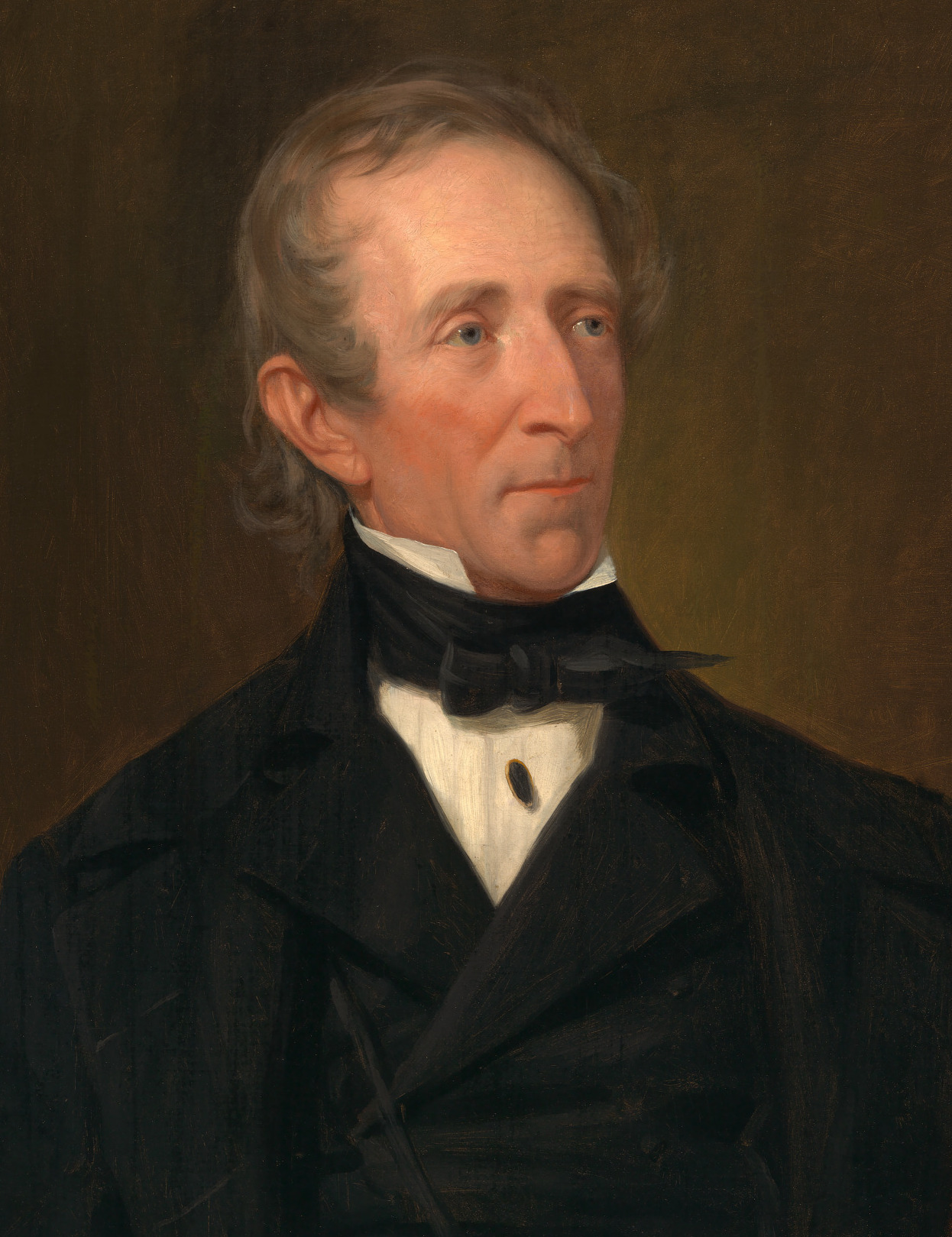
John Tyler
John Tyler was the tenth president of the United States, serving from 1841 to 1845, after briefly holding office as the tenth vice president in 1841. He was elected vice president on the 1840 Whig ticket with William Henry Harrison, succeeding to the presidency following Harrison's death 31 days after assuming office as president. Tyler was a stalwart supporter and advocate of states' rights, including regarding slavery, and he adopted nationalistic policies as president only when they did not infringe on the states' powers. His unexpected rise to the presidency posed a threat to the presidential ambitions of Senator Henry Clay and other Whig politicians and left Tyler estranged from both major political parties at the time: the Whigs and the Democrats.
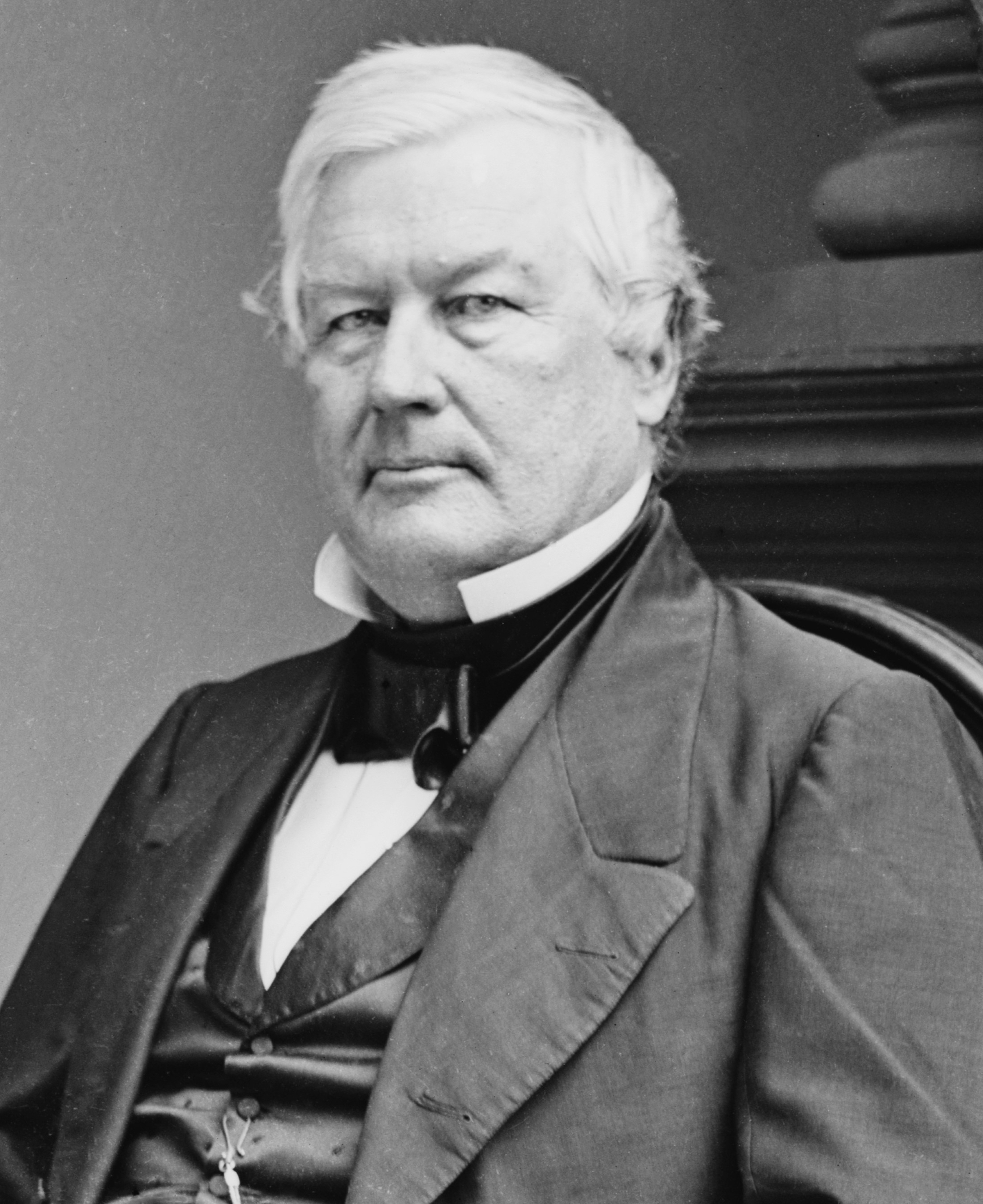
Millard Fillmore
Millard Fillmore was the 13th president of the United States, serving from 1850 to 1853. He was the last president to be a member of the Whig Party while in the White House, and the last to be neither a Democrat nor a Republican. A former member of the U.S. House of Representatives, Fillmore was elected vice president in 1848, and succeeded to the presidency when Zachary Taylor died in 1850. Fillmore was instrumental in passing the Compromise of 1850, which led to a brief truce in the battle over the expansion of slavery.