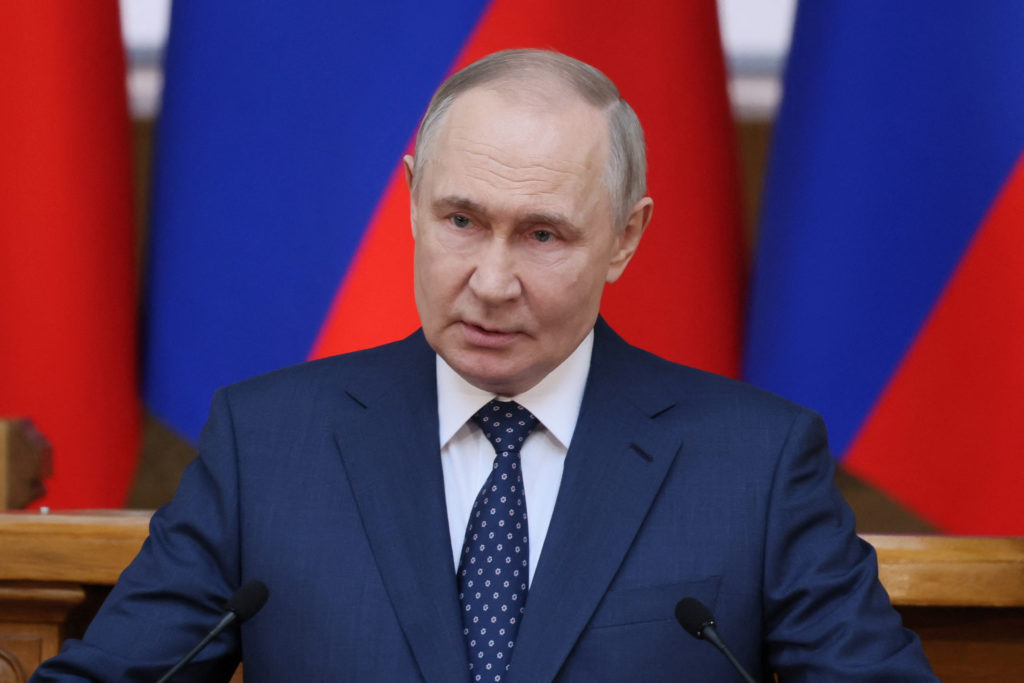
Vladimir Putin
President of Russia. In March 2023 the International Criminal Court issued an arrest warrant for him over the alleged unlawful deportation of children from occupied areas of Ukraine. He is broadly sanctioned across Western states.
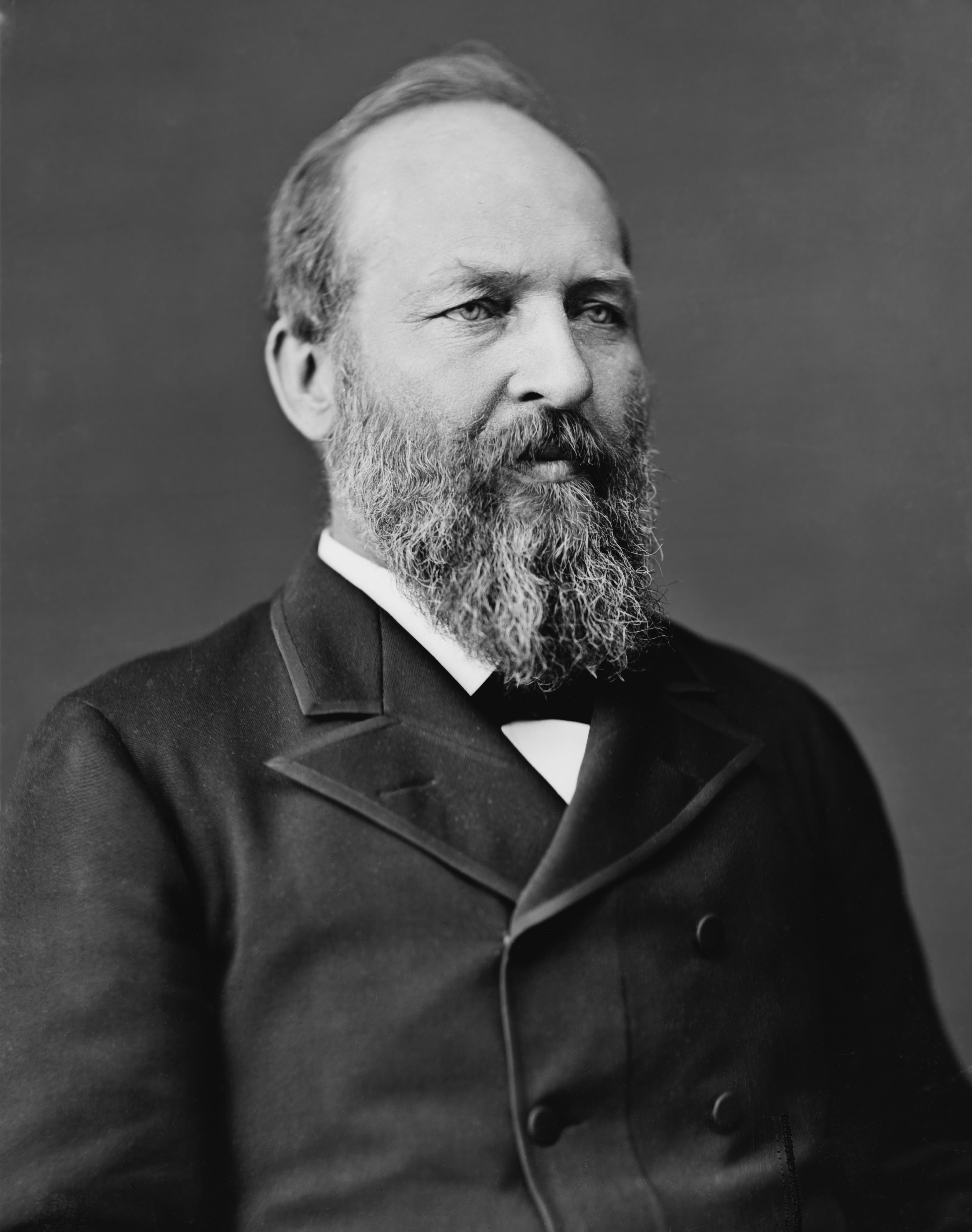
James A. Garfield
James Abram Garfield was the 20th president of the United States, serving from March 1881 until his death in September that year after being shot in July. A preacher, lawyer, and Civil War general, Garfield served nine terms in the United States House of Representatives and is the only sitting member of the House to be elected president. Before he ran for president, the Ohio General Assembly had elected him to the U.S. Senate, a position he declined upon becoming president-elect.
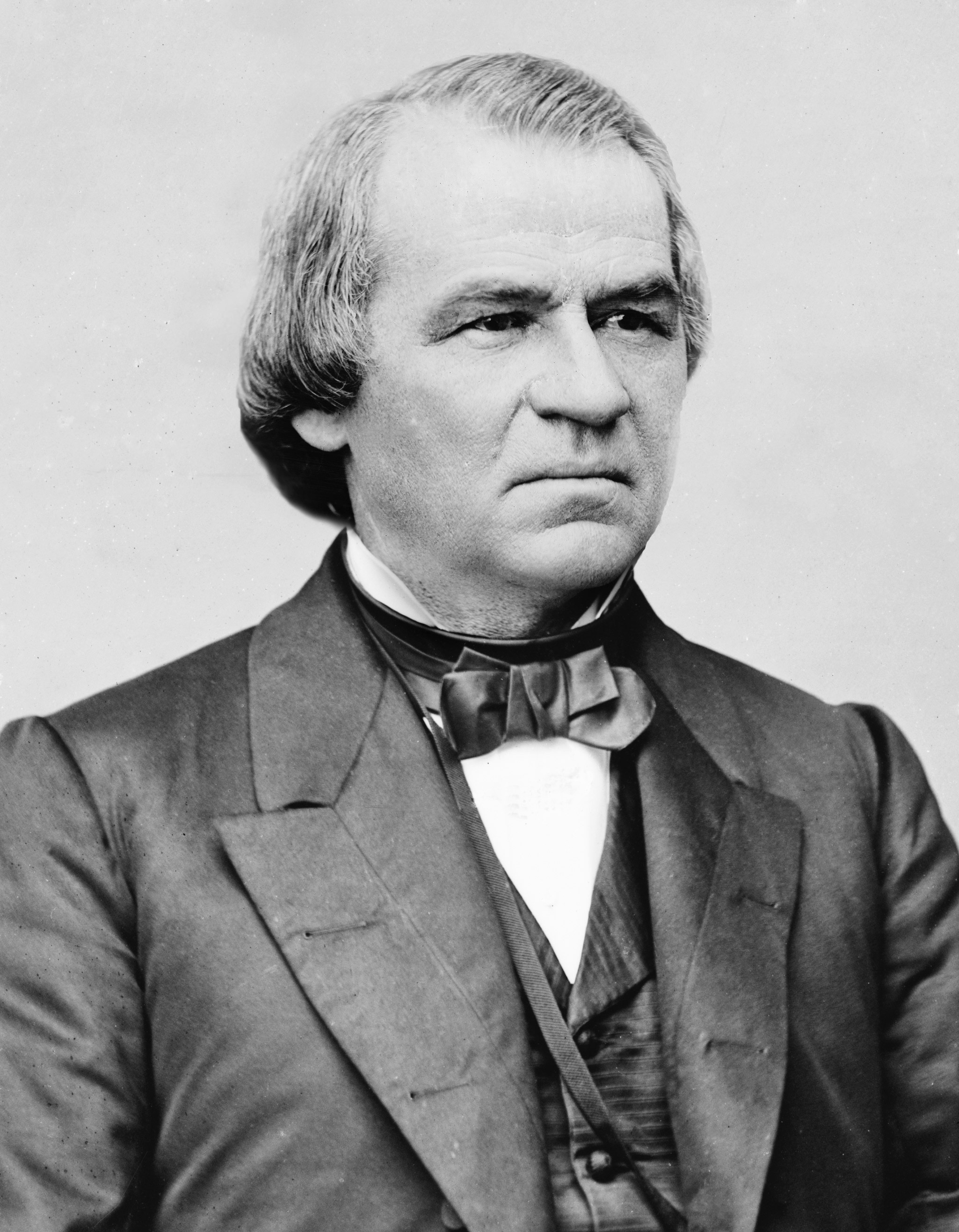
Andrew Johnson
Andrew Johnson was the 17th president of the United States, serving from 1865 to 1869. The 16th vice president, he assumed the presidency following the assassination of Abraham Lincoln. Johnson was a War Democrat who ran with Lincoln on the National Union Party ticket in the 1864 presidential election, coming to office as the American Civil War concluded. Johnson favored quick restoration of the seceded states to the Union without protection for the newly freed people who were formerly enslaved, as well as pardoning ex-Confederates. This led to conflict with the Republican Party-dominated U.S. Congress, culminating in his impeachment by the House of Representatives in 1868. He was acquitted in the Senate by one vote.
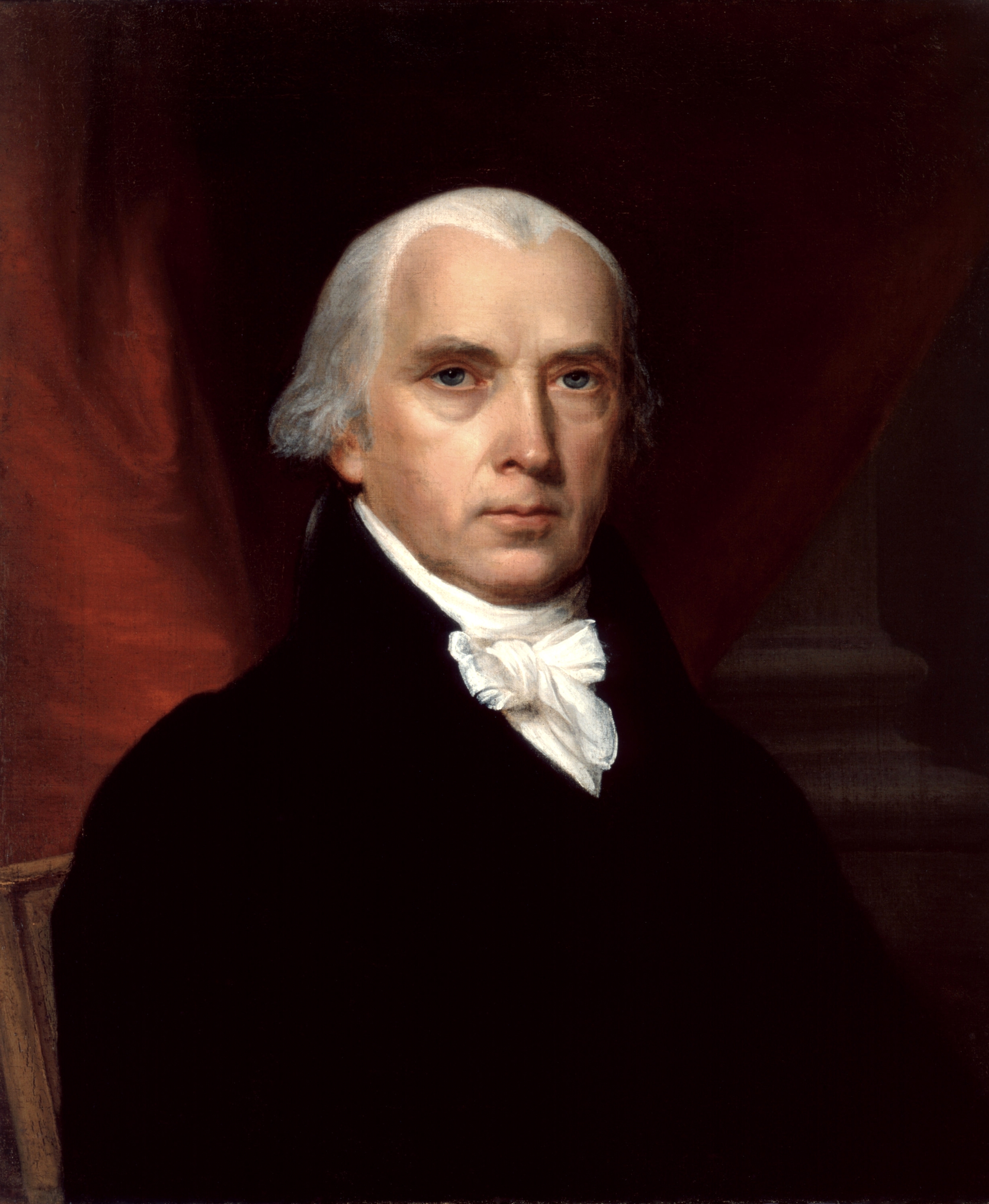
James Madison
James Madison was an American statesman, diplomat, and Founding Father who served as the fourth president of the United States from 1809 to 1817. Madison was popularly acclaimed as the "Father of the Constitution" for his pivotal role in drafting and promoting the Constitution of the United States and the Bill of Rights.
Alfredo Pacheco (politician)
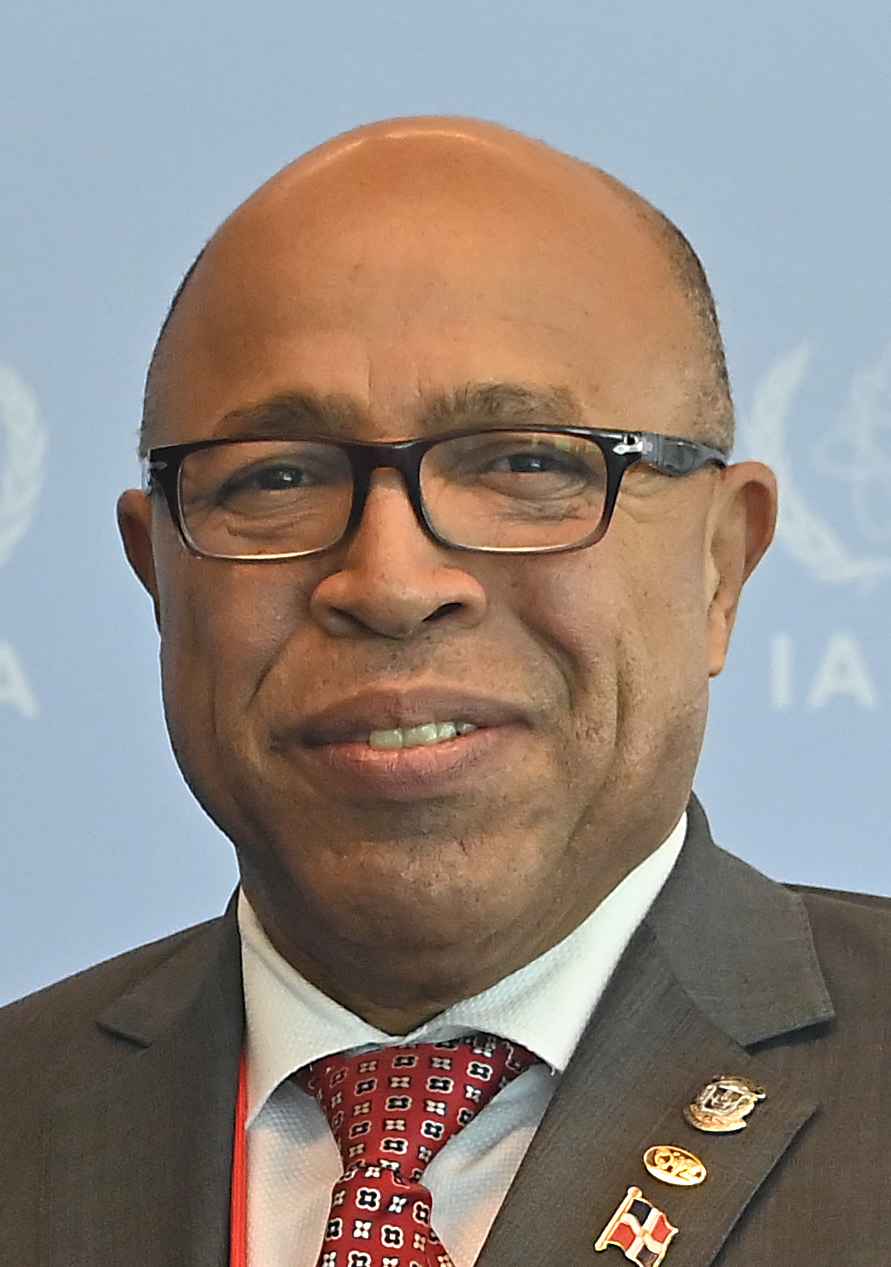
Alfredo Pacheco Osoria is a Dominican Republic politician from the Modern Revolutionary Party who has been President of the Chamber of Deputies since 16 August 2020, and previously during 2003-2006.
Rutherford B. Hayes
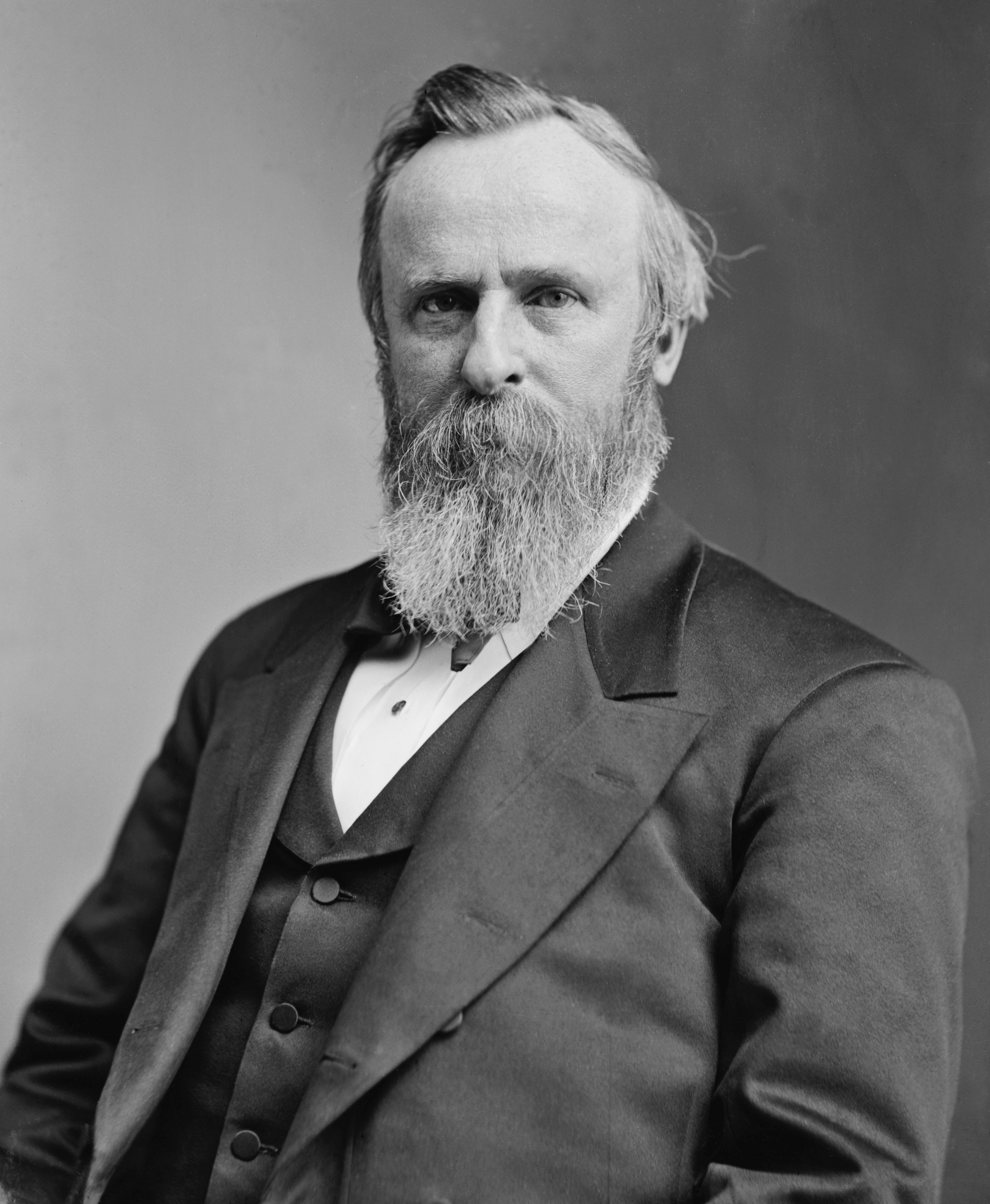
Rutherford Birchard Hayes was the 19th president of the United States, serving from 1877 to 1881. He served as Cincinnati's city solicitor from 1858 to 1861 and was known as a staunch abolitionist who defended refugee slaves in court proceedings. At the start of the Civil War, Hayes left a fledgling political career to join the Union army. He was wounded five times, most seriously at the Battle of South Mountain in 1862. Hayes earned a reputation for bravery in combat, rising in the ranks to serve as brevet major general. After the war, he was a prominent member of the "Half-Breed" faction of the Republican Party. Hayes served in Congress from 1865 to 1867 and was elected governor of Ohio, serving two consecutive terms from 1868 to 1872 and half of a third two-year term from 1876 to 1877 before his swearing-in as president.
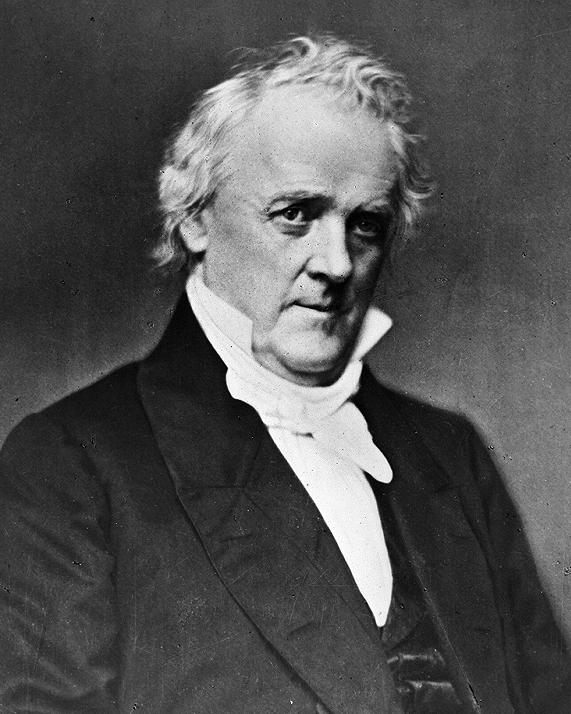
James Buchanan
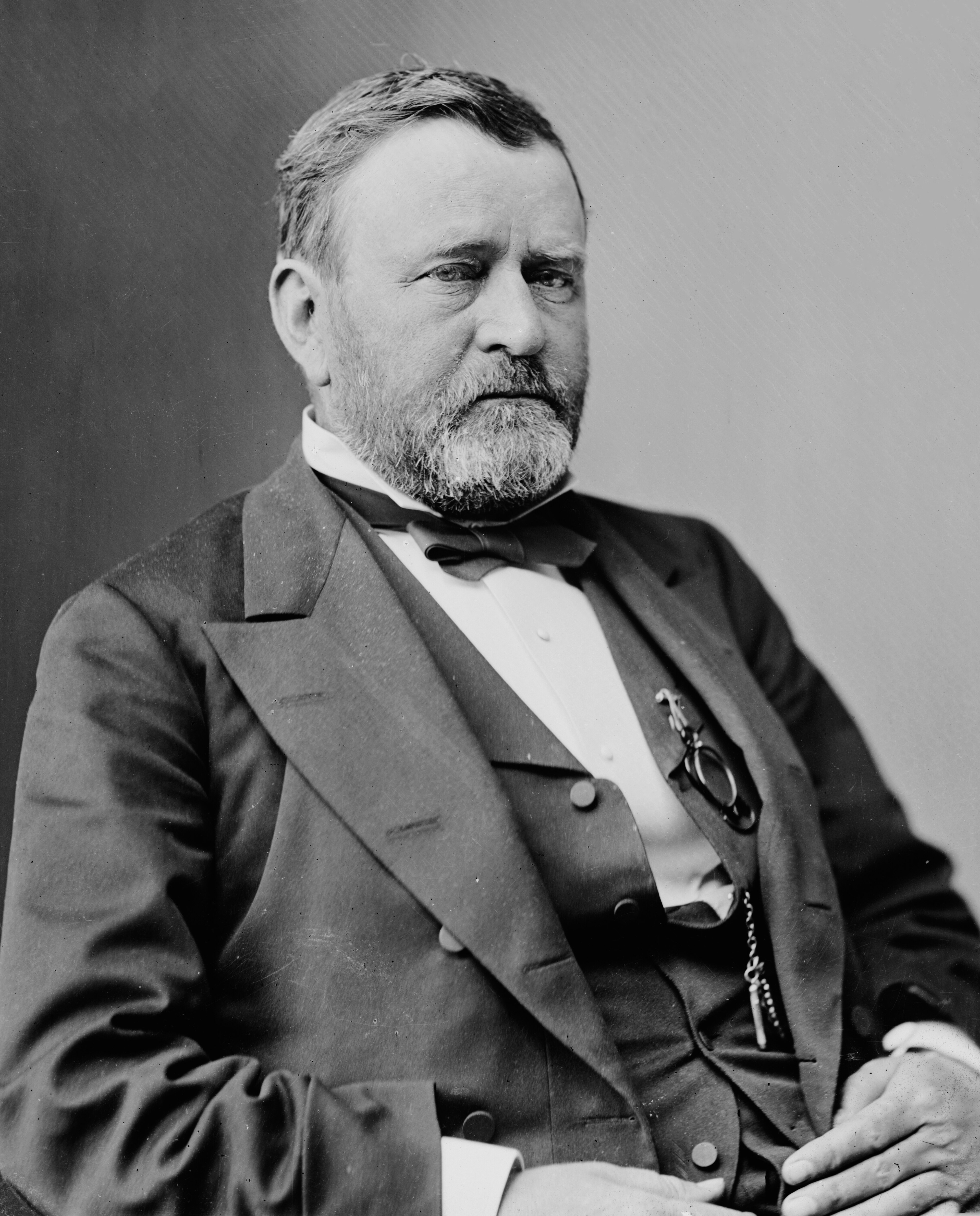
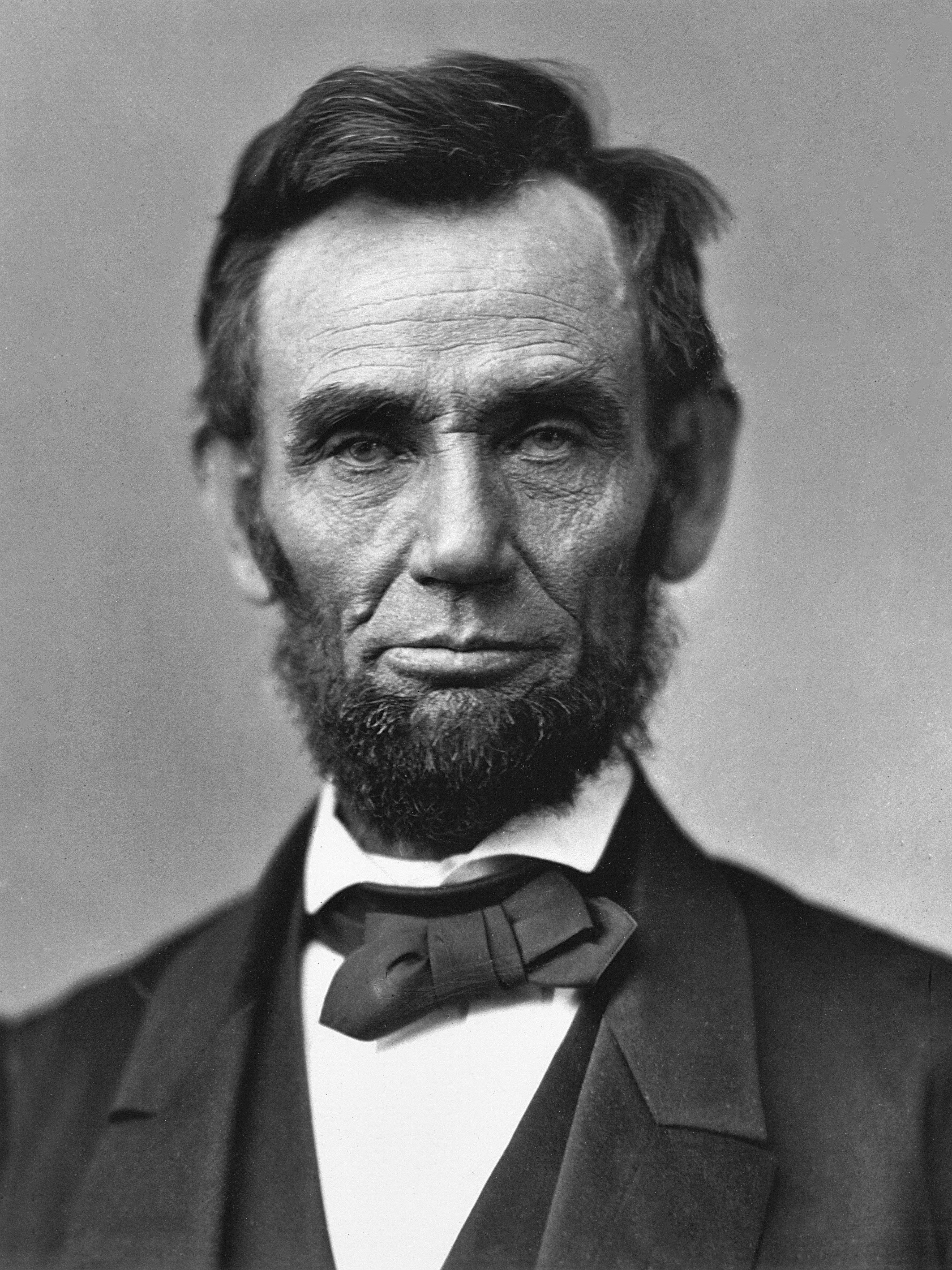
James Buchanan Jr. was the 15th president of the United States, serving from 1857 to 1861. He also served as the 17th United States secretary of state from 1845 to 1849 and represented Pennsylvania in both houses of the U.S. Congress. Buchanan was an advocate for states' rights, particularly regarding slavery, and argued for limiting the role of the federal government preceding the American Civil War.
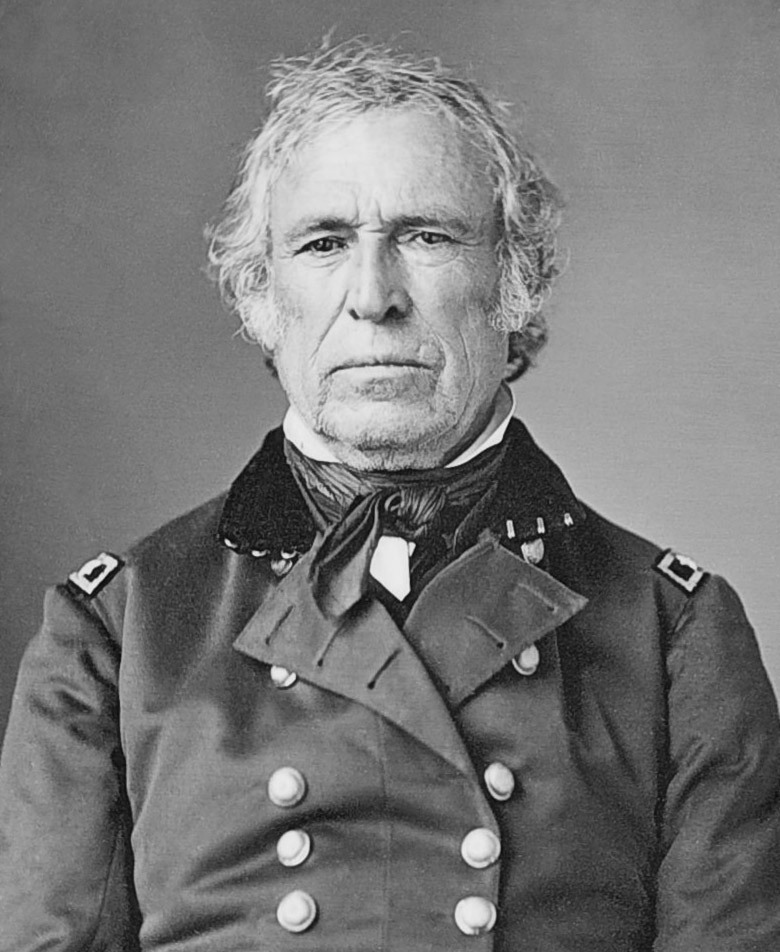
Zachary Taylor
Zachary Taylor was the 12th president of the United States, serving from 1849 until his death in 1850. Before his presidency, Taylor was a career officer in the United States Army, rising to the rank of major general and becoming a national hero for his victories in the Mexican–American War. As a result, he won election to the White House despite his vague political beliefs. His top priority as president was to preserve the Union. He died 16 months into his term from a stomach disease. Taylor had the third-shortest presidential term in U.S. history.