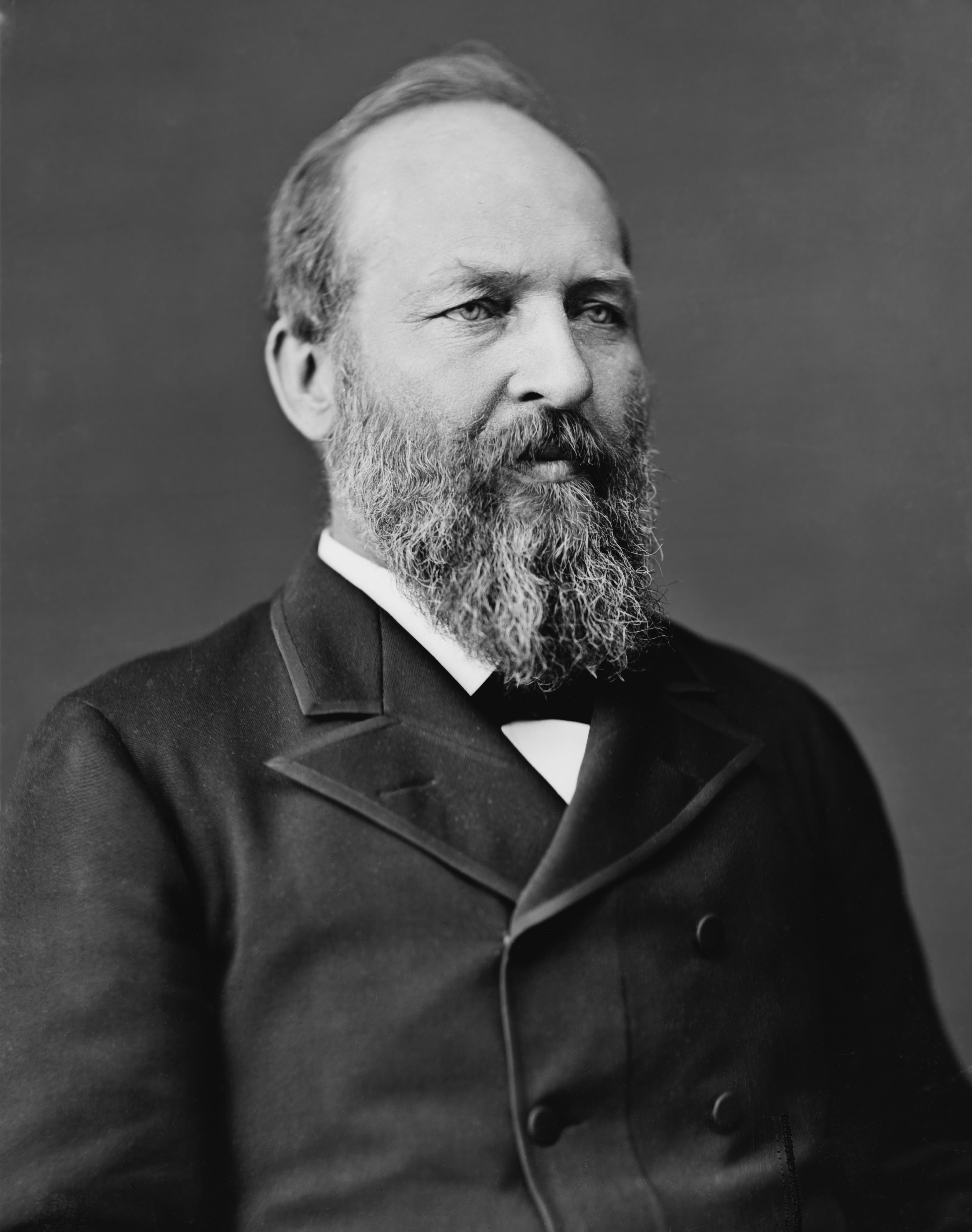
James A. Garfield
James Abram Garfield was the 20th president of the United States, serving from March 1881 until his death in September that year after being shot in July. A preacher, lawyer, and Civil War general, Garfield served nine terms in the United States House of Representatives and is the only sitting member of the House to be elected president. Before he ran for president, the Ohio General Assembly had elected him to the U.S. Senate, a position he declined upon becoming president-elect.
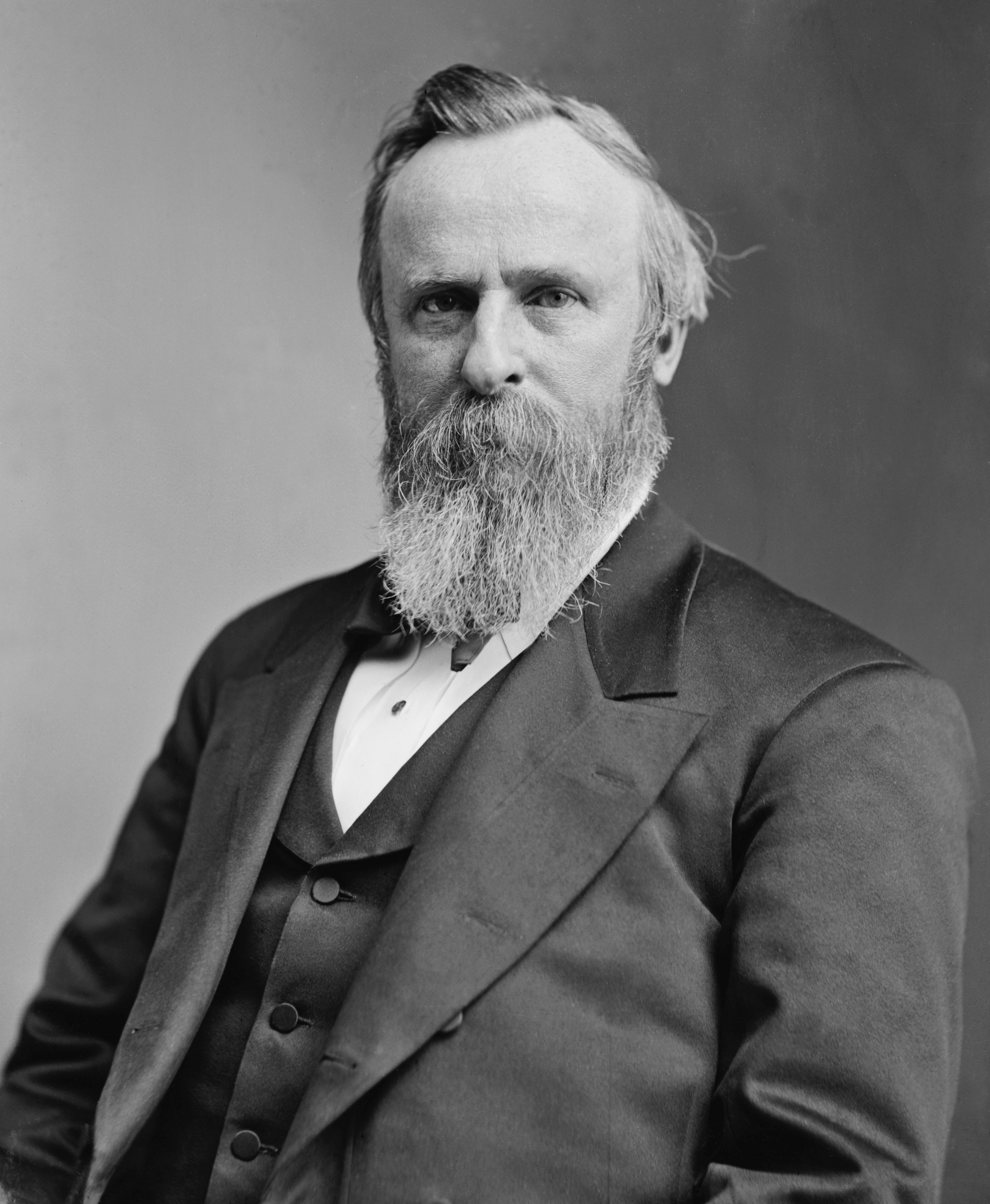
Rutherford B. Hayes
Rutherford Birchard Hayes was the 19th president of the United States, serving from 1877 to 1881. He served as Cincinnati's city solicitor from 1858 to 1861 and was known as a staunch abolitionist who defended refugee slaves in court proceedings. At the start of the Civil War, Hayes left a fledgling political career to join the Union army. He was wounded five times, most seriously at the Battle of South Mountain in 1862. Hayes earned a reputation for bravery in combat, rising in the ranks to serve as brevet major general. After the war, he was a prominent member of the "Half-Breed" faction of the Republican Party. Hayes served in Congress from 1865 to 1867 and was elected governor of Ohio, serving two consecutive terms from 1868 to 1872 and half of a third two-year term from 1876 to 1877 before his swearing-in as president.
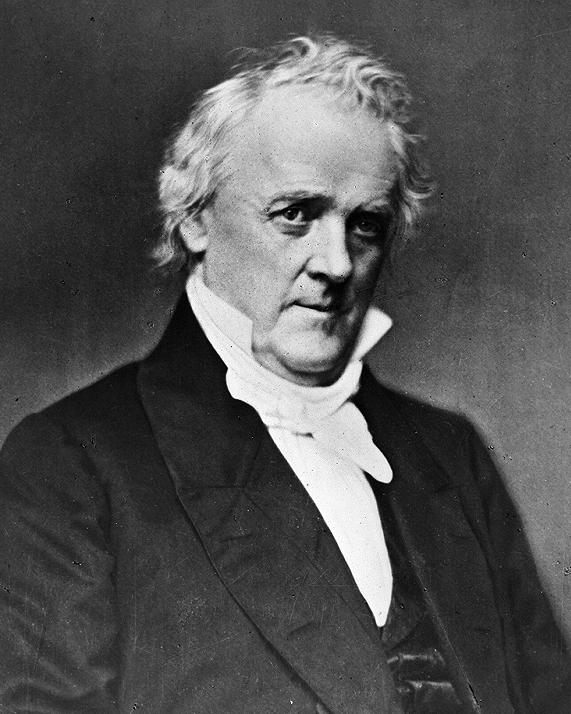
James Buchanan
James Buchanan Jr. was the 15th president of the United States, serving from 1857 to 1861. He also served as the 17th United States secretary of state from 1845 to 1849 and represented Pennsylvania in both houses of the U.S. Congress. Buchanan was an advocate for states' rights, particularly regarding slavery, and argued for limiting the role of the federal government preceding the American Civil War.
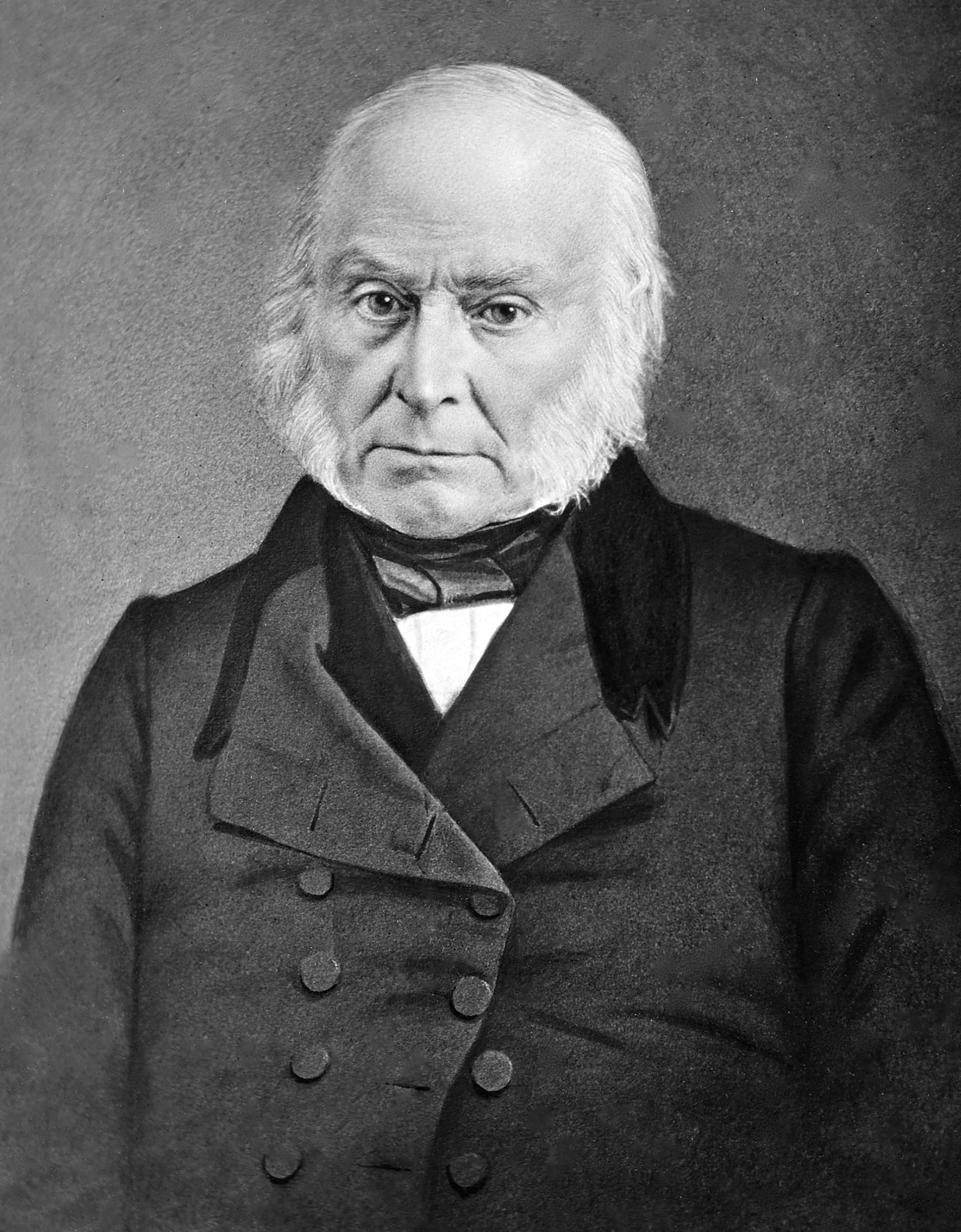
John Quincy Adams
John Quincy Adams was the sixth president of the United States, serving from 1825 to 1829. He previously served as the eighth United States secretary of state from 1817 to 1825; minister to Great Britain, Prussia, and Russia; and senator for Massachusetts. After his presidency, Adams uniquely returned to Congress as a member of the lower house, where he died in 1848. He was the eldest son of John Adams, the second president, and First Lady Abigail Adams. Among his children were Charles Francis Adams Sr. Initially a Federalist like his father, Adams spent his presidency as a member of the Democratic-Republican Party, and later, in the mid-1830s, became affiliated with the Whig Party.