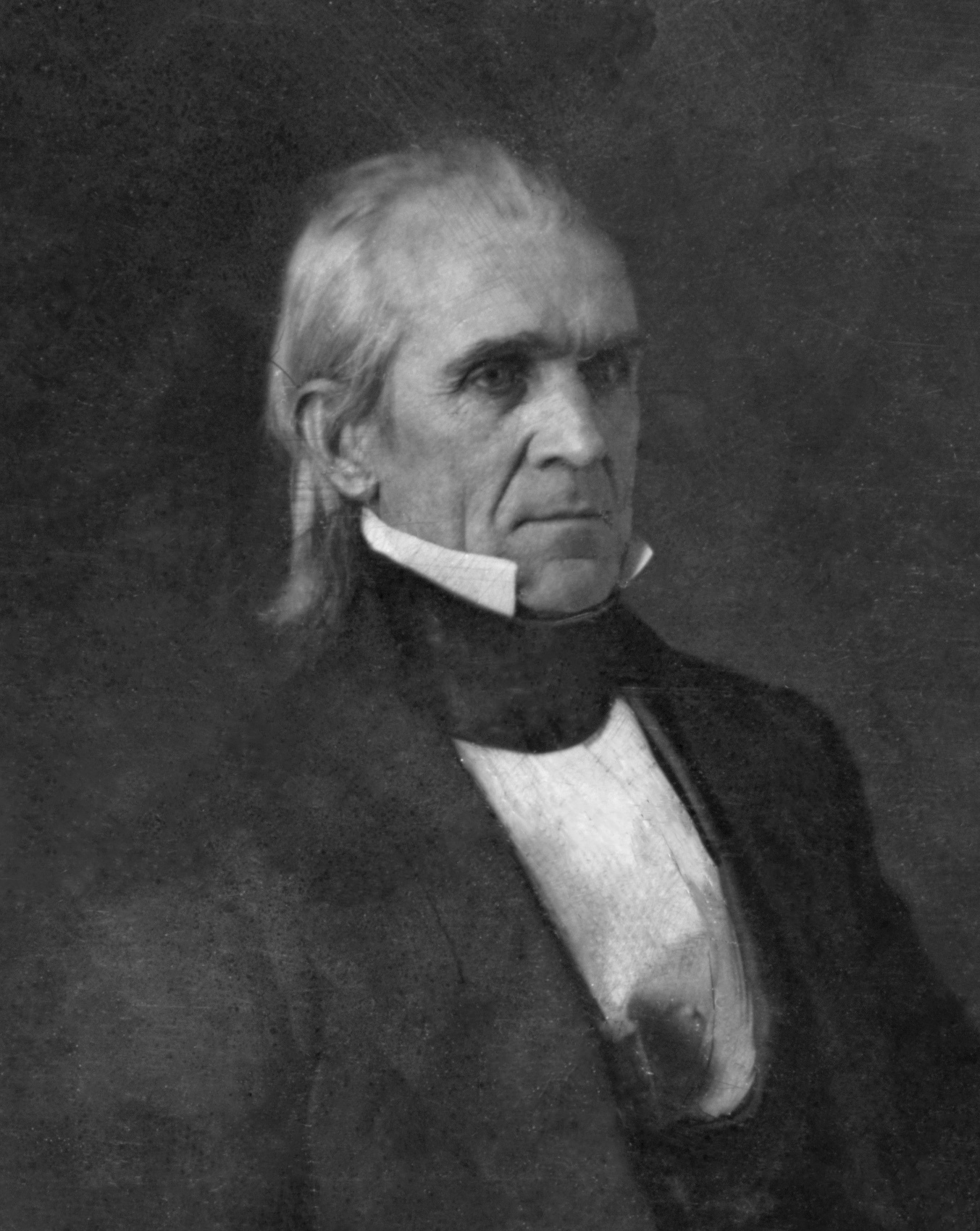
James K. Polk
James Knox Polk was the 11th president of the United States, serving from 1845 to 1849. A protégé of Andrew Jackson and a member of the Democratic Party, he was an advocate of American expansionism and Jacksonian democracy. Polk saw Texas join the Union in his first year in office, one of the precipitating causes that soon led the U.S. into the Mexican–American War. The settlement of that war expanded American territory to the Pacific Ocean. During his term, the dispute over the Oregon Territory with the United Kingdom was resolved as well, creating the present U.S.-Canadian boundary.
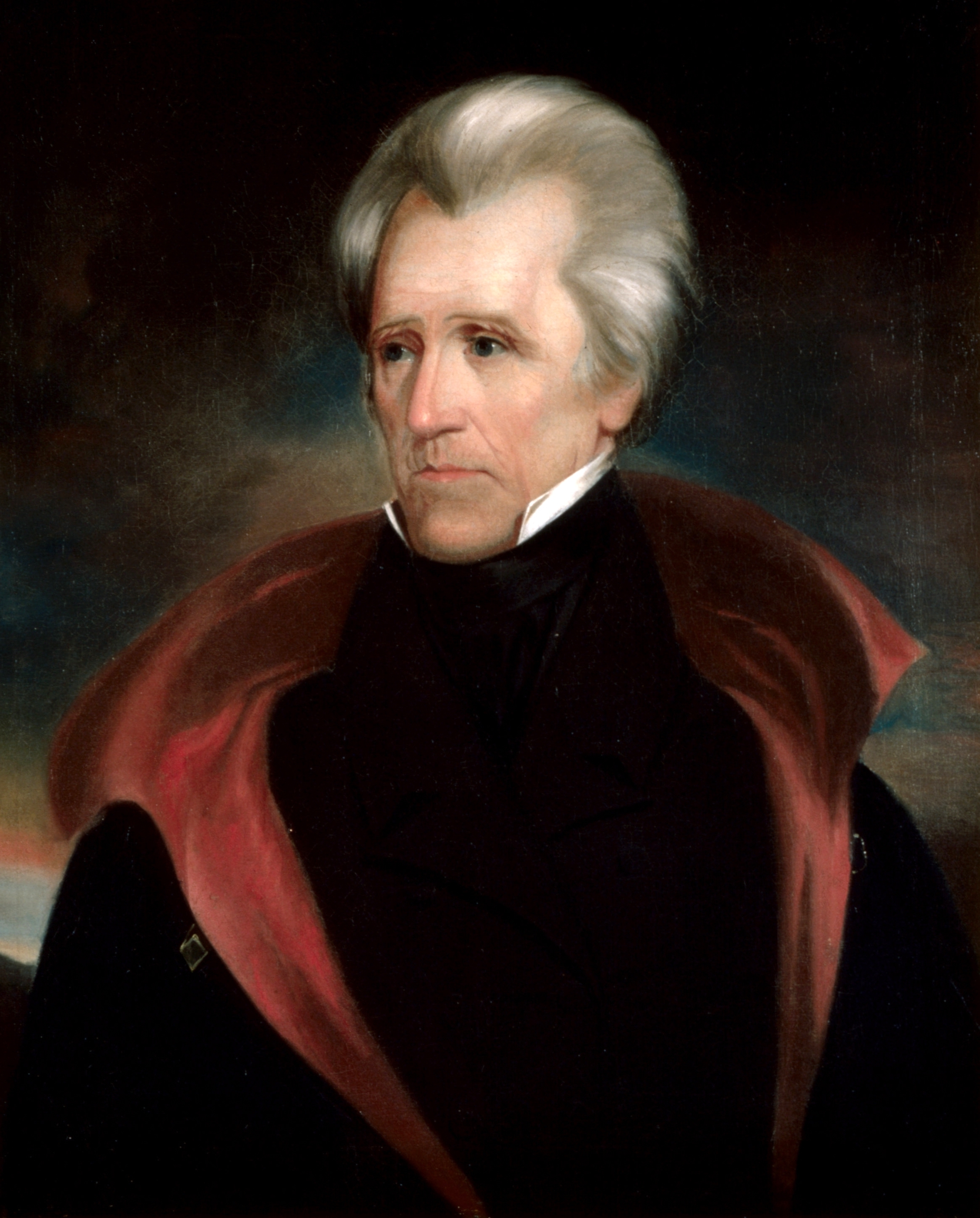
Andrew Jackson
Andrew Jackson was the seventh president of the United States from 1829 to 1837. He rose to fame as a U.S. Army general and served in both houses of the U.S. Congress. His political philosophy, which dominated his presidency, became the basis for the rise of Jacksonian democracy. His legacy is controversial: being praised as an advocate for white working Americans and preserving the union of states, and criticized for his racist policies, particularly towards Native Americans.
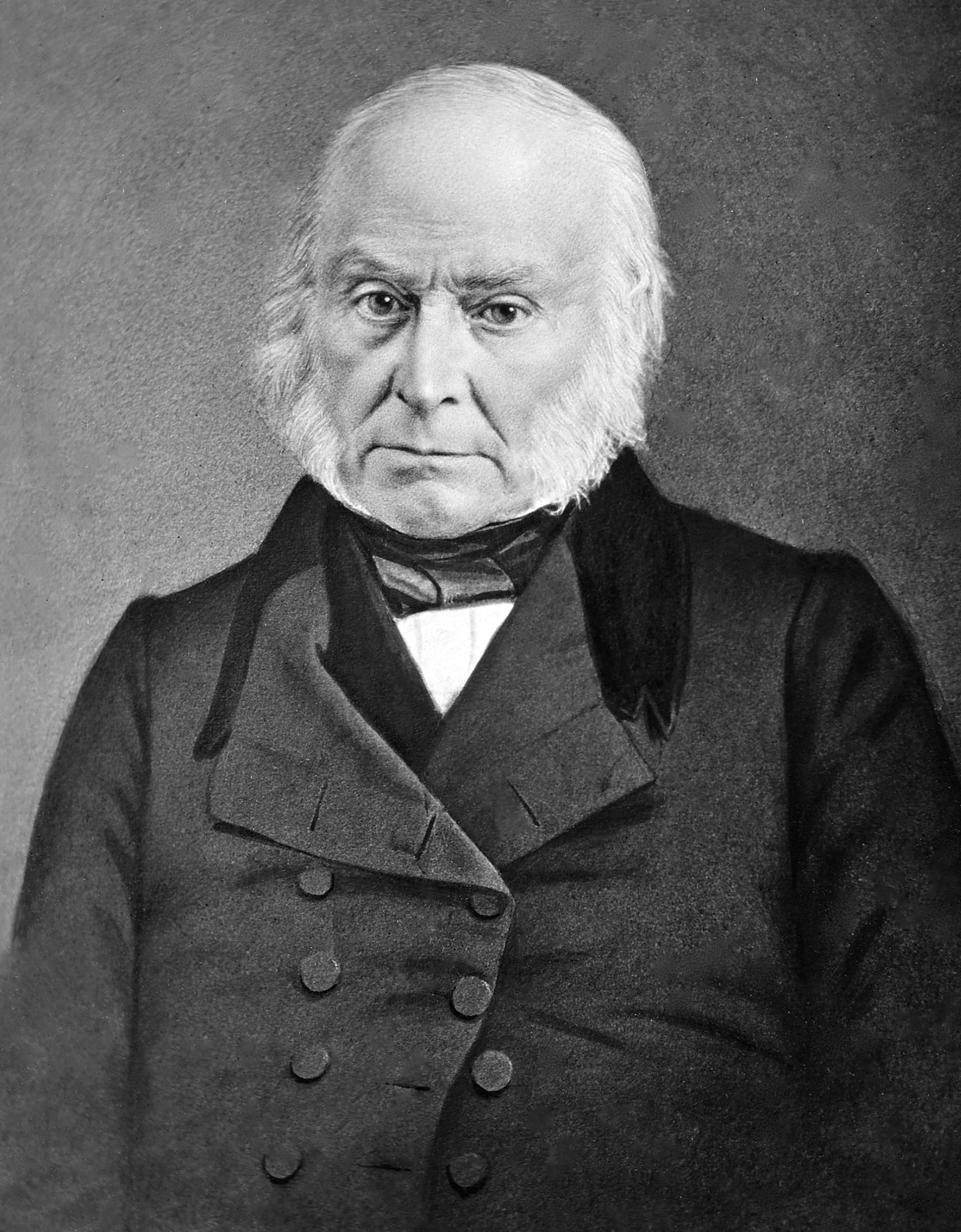
John Quincy Adams
John Quincy Adams was the sixth president of the United States, serving from 1825 to 1829. He previously served as the eighth United States secretary of state from 1817 to 1825; minister to Great Britain, Prussia, and Russia; and senator for Massachusetts. After his presidency, Adams uniquely returned to Congress as a member of the lower house, where he died in 1848. He was the eldest son of John Adams, the second president, and First Lady Abigail Adams. Among his children were Charles Francis Adams Sr. Initially a Federalist like his father, Adams spent his presidency as a member of the Democratic-Republican Party, and later, in the mid-1830s, became affiliated with the Whig Party.