Thousands sign petition supporting Turkish governor after cycling tights row
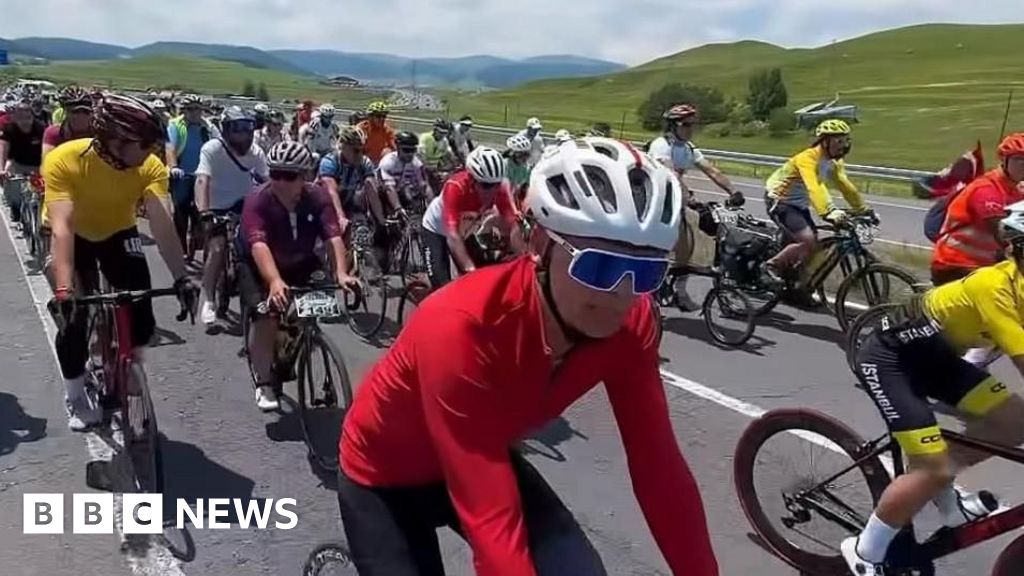
A Turkish governor who was removed from office after a backlash over images of him cycling in sports tights has received backing from thousands of supporters calling for his reinstatement. Mehmet Fatih Çiçekli, governor of the north-eastern Ardahan province, was dismissed last week. No reason was given for his removal. It came after criticism of his attire and online activity, with one MP saying he was "spending all day creating social media content" and "wearing cycling tights all day". Çiçekli defended his outfit as standard cycling gear, saying: "I do sports in sports clothes." Asked what he planned to do after his dismissal, Çiçekli said: "I will keep pedalling." The removal of Çiçekli came after he attracted public attention by sharing videos of himself cycling on social media in recent months. Çiçekli called on people to organise a cycling festival in Ardahan and shared footage of large groups participating in a cycling event. Çiçekli also posted videos of himself rowing on Lake Çıldır, saying these activities demonstrated "the unifying power of sport". His social media activity prompted criticism from some politicians. In early July, Republican People's Party (CHP) MP İnan Akgün Alp accused Çiçekli of spending his time making online content and of "abandoning the seriousness and dignity of state office". "He goes around among citizens wearing cycling tights all day. That's no way for a governor to behave," Alp said, calling on the government to "remove these governors or send them vine leaves". Çiçekli stood by his outfit choices, saying: "The clothes I'm wearing are sports clothes." On 17 July, a decree signed by Turkish President Recep Tayyip Erdoğan announced Çiçekli's removal from office. The next day, an online petition was launched on Change.org under the title "Ardahan Governor Mehmet Fatih Çiçekli Should Remain in Office". By 17:00 BST on 21 July, it had gathered more than 9,400 signatures. "The decision to remove Ardahan Governor Mehmet Fatih Çiçekli from his post has caused sadness and concern among many citizens who care about the future of our province," the petition says, adding that it "has no political aims". The petition says Çiçekli has not only "accomplished significant work" in areas such as sport and youth development, but also helped cycling tourism to flourish. "Sports activities for young people have increased, and young people's habits of participating in sports have been developed," it says. "We emphasise the necessity of Mehmet Fatih Çiçekli continuing in his role as Governor of Ardahan." Ardahan is a province with a population of less than 100,000 people. Çiçekli, who was born in 1976, entered the civil administration service in 2004. After various roles, including as Karaman province governor, he was appointed to Ardahan on 7 January 2026. Before his removal, Çiçekli posted on social media in response to the debate about his cycling activity and outfit. At the time he said: "Actually, sometimes you need to forget. Rather than living through titles and labels, it's good to know you're a human being and remain one." "The things that make you yourself, such as sports, cycling and rowing, aren't bad things. They're things that everyone, at every age, should be doing." Additional reporting by Merve Kara-Kaska.
Israeli strikes in Gaza kill 12, including family of six, medics say
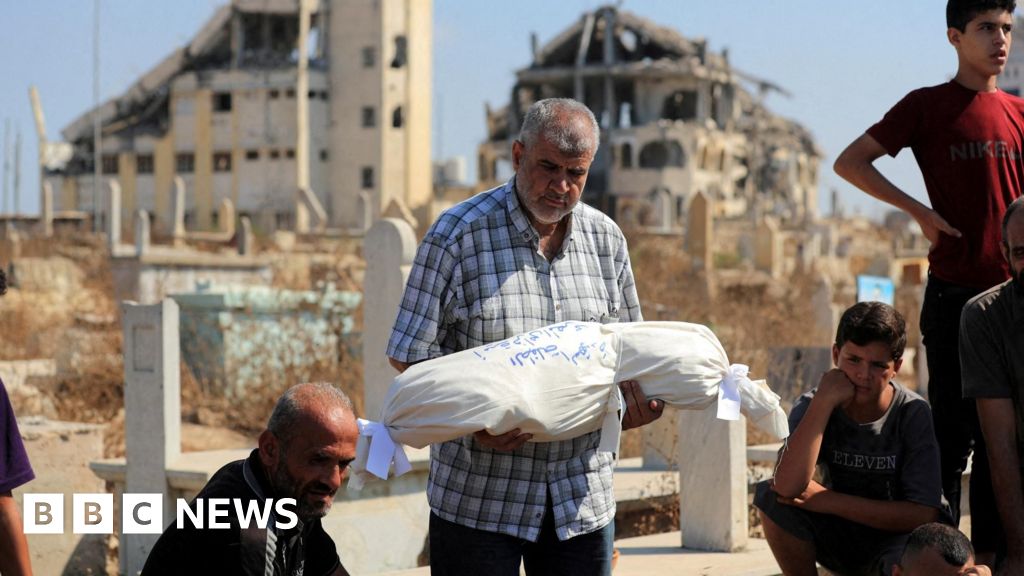
At least 12 Palestinians, including six members of one family, have been killed in three separate Israeli strikes in the Gaza Strip, according to local medics. Video footage showed the family's apartment on fire overnight in the western al-Sabra neighbourhood of Gaza City. The brother of Firas al-Masri told the BBC that he had been burnt to death along with his wife, Salsabeel, and their three daughters and son, Faryal, Salma, Amira and Naim. The Israeli military said its target was a Hamas operative and that it was still looking into the results of the attack. On Tuesday afternoon, another four people were killed in an Israeli air strike on a home in the al-Samar area of central Gaza City, Palestinian media cited medics as saying. Two more were killed in an Israeli drone strike on a vehicle in the al-Zahra area to the south of Gaza City, they added. The Israeli military has not yet commented on those strikes. According to Gaza's Hamas-run health ministry, at least 1,168 Palestinians have been killed in Israeli attacks since a ceasefire between Israel and Hamas took effect last October. Four Israeli soldiers have been killed in Palestinian attacks in Gaza over the same period. The UN's human rights office condemned on Tuesday the recent intensification of Israeli military attacks in Gaza. Between 13 and 20 July, at least 57 Palestinians, including six children and eight women, were killed in strikes on residential buildings, a tent camp for displaced families, and other crowded areas, spokesman Thameen Al-Kheetan said. Thirty-four of those people were "killed far away" from the so-called Yellow Line, which marks territory in Gaza controlled by Israeli forces, he added. "Nine months after the announcement of a ceasefire, still, nowhere is safe for Palestinians in Gaza," Al-Kheetan said. He also warned that the killing of civilians "raises concerns of continuing violations of international humanitarian law, war crimes and other possible atrocity crimes in Gaza". The Israeli military has recently announced a series of attacks targeting members of Palestinian armed groups, who it said were involved in the Hamas-led attack on Israel on 7 October 2023, during which about 1,200 people were killed and 251 were taken hostage. Israel responded by launching a massive military campaign in Gaza, during which more than 73,290 people have been killed, according to the territory's health ministry.
Trump slaps 50% tariffs on Canada and Carney vows to 'intensify' trade talks
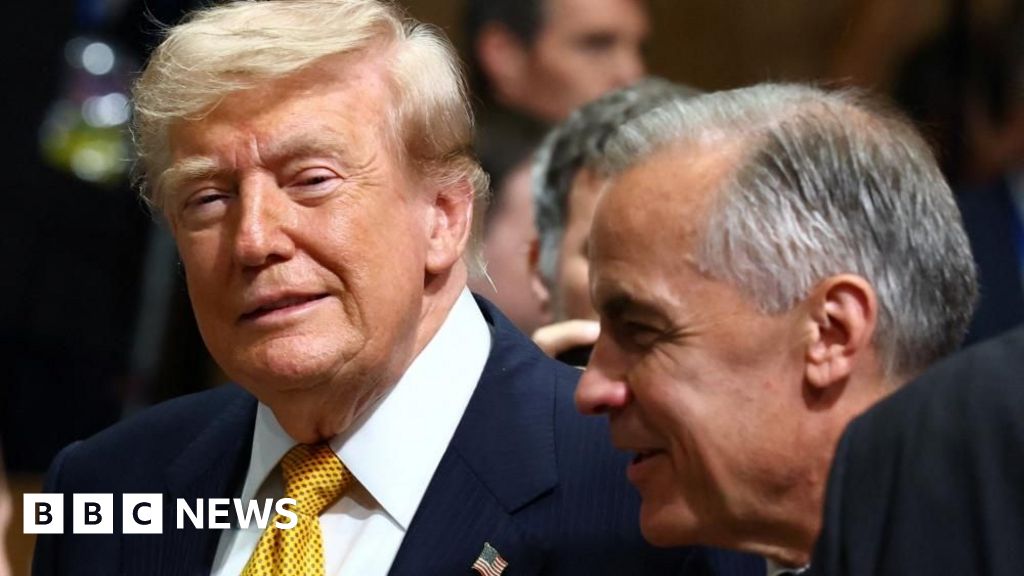
US President Donald Trump has imposed a 50% tariff on a wide range of goods imported from Canada, in retaliation for what he called "unequal treatment" of US cars, dairy and alcohol. Everyday consumer items like wine and hockey sticks, as well as industrial goods such as cement, are on the target list. Several key exports, though, will be spared, including energy, potash, critical minerals and fish. Prime Minister Mark Carney said he had spoken to Trump and both leaders agreed to "intensify" trade talks in a bid to calm growing trade tensions between the North American neighbours. But he warned "all options" were on the table in terms of how Canada could respond to the fresh tariff threat. Since the tariff war broke out more than 18 months ago, Carney said, Canadians have "stood together" by buying home-produced goods and agreeing new trade routes with other countries. "[The] country is stronger, stronger because we are united, and we will remain united," he told reporters. Tensions between the major trading partners have been simmering since Trump returned to office in January last year and unleashed a wide-ranging global programme of tariffs, sometimes to pursue objectives not directly linked to trade. Tariffs are taxes on imported goods that are paid to the government by companies bringing in the foreign products. Asked about the latest tariffs, which the White House says will take effect in 30 days, on Tuesday, President Trump said Canada had been "very, very tough on us over the years" and "no other presidents done anything about it". "I love Canada, I love the people of Canada, many friends that live in Canada," he said. "Without us, there's no way they can survive." The latest move by Trump comes after the US Supreme Court ruled earlier this year that many of the tariffs imposed globally under emergency powers were illegally enacted. The president has since sought other legal avenues to push through his flagship trade policy, as seen in Monday's announcement. Trump has said the levies will boost American manufacturing and jobs, but some economists have warned that higher charges on imported goods risks pushing up prices for consumers. This new round of duties on Canadian goods has also fuelled speculation about a potential wider tariff announcement by the US on countries across the world. US Trade Representative Jamieson Greer said on Tuesday that he expected to "see some action soon", when asked on CNBC about the possibility of forthcoming levies. Canada, which is one of the US's closest trading partners, was one of the few countries to retaliate last year against Trump's tariffs, placing a 25% levy of its own on about C$30bn (£16bn; $21.7bn) worth of US goods. Carney later dropped some of them. The new US tariffs add to trade barriers already in place between the two nations. The US has been maintaining active tariffs ranging from 15% to 50% on Canadian steel, aluminium and copper. It also charges a 35% tariff on Canadian softwood lumber, alongside a 25% tax on non-US parts in cars. Meanwhile Canada has its own 25% counter-tariff on selected imports of American steel, aluminium and vehicles. A White House fact sheet said the new tariffs announced this week applied regardless of whether the product was included under the existing free trade agreement between Canada, the US and Mexico, known as the USMCA. But Carney said the move was the "latest in a series of unilateral US trade actions that began with the US imposing a series of tariffs in direct violation" of the USMCA. The prime minister also cited "threats to Canadian sovereignty", possibly in reference to Trump's repeated calls to make America's northern neighbour the 51st US state. Ontario Premier Doug Ford said that if the US goes ahead with its latest threat, "Canada should respond tariff for tariff, dollar for dollar". The BBC has contacted the White House and the Canadian government for further comment. As part of his executive action announcing the new tariffs, Trump issued three proclamations, relating to to cars, dairy products and alcohol. Monday's announcement also comes in the wake of President Trump's threat to impose tariffs over Canadian wildfire smoke drifting into US cities, though this issue has not been officially mentioned as the justification for the move. Earlier this year, the US chose not to renew the USMCA in its current form - while Canada and Mexico sought a renewal - as it aimed to make changes to the agreement, which was reached during Trump's first term in office. Despite the recent US action, the treaty will continue to govern North American trade over the next decade on a rolling basis, but it will require annual reviews. The recently announced tariffs highlight the Trump administration's opposition to USMCA, said Michael Devereux, a professor of economics at the University of British Columbia. "It is a significant escalation because it directly targets goods that were previously exempt under the US, Canada, Mexico trade agreement that President Trump negotiated and signed himself in 2018," he added. In February, the US Supreme Court struck down sweeping international tariffs imposed by Trump through the International Emergency Economic Powers Act (IEEPA) of 1977, saying he had exceeded his authority under a law reserved for national emergencies. The White House then vowed to invoke other mechanisms to impose import taxes, and in recent week has announced fresh tariffs on a range of countries under a different law commonly called "Section 301". That included a new levy on Brazil, which has vowed to retaliate.
Ann Widdecombe was hit on head 21 times with hammer, prosecutors say
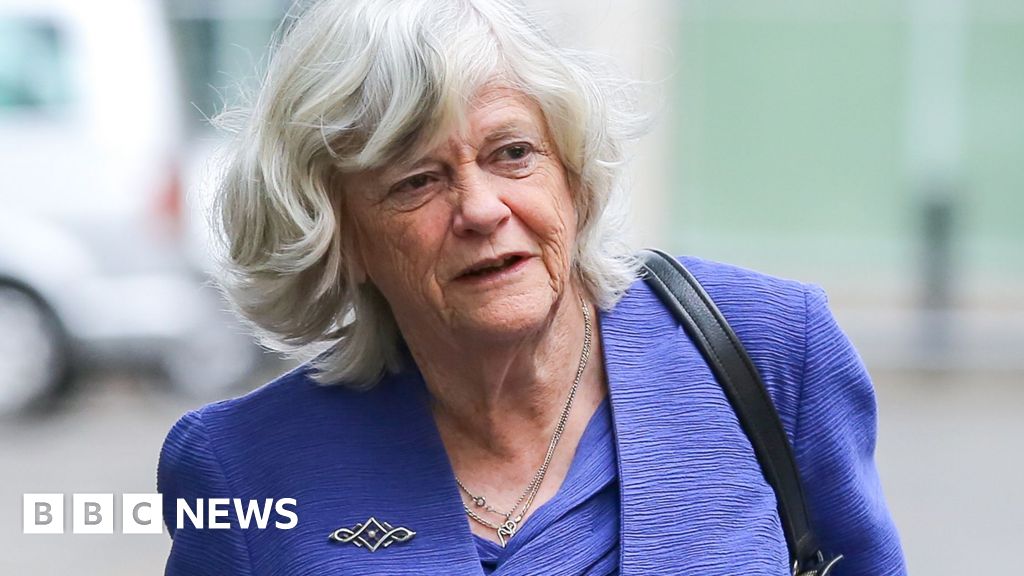
Ann Widdecombe was hit on the head with a hammer 21 times at her home as she ate lunch in an attack that was caught on camera, prosecutors have told Westminster Magistrates' Court. Prosecutor Kashif Malik said the man charged with her murder, Joshua Kerry, arrived at her house on 8 July in a red Vauxhall Corsa and entered through the front door. Kerry, who prosecutors say was in the property for two minutes and was wearing black gloves, then allegedly hit Widdecombe repeatedly with a hammer in her kitchen, tipped her from her chair and took her wallet before driving off. The 28-year-old from South Yorkshire later also appeared at the Old Bailey and was remanded in custody. At the Old Bailey hearing, prosecutor Alistair Richardson said the attack on Widdecombe had been carried out with a "ferocity of violence". Malik told the court that Widdecombe did not attend a pre-arranged online interview with Channel 5's Matt Allwright show that had been scheduled for just before 13:00 BST on 8 July. The show's production team tried to contact Widdecombe through her personal assistant, who then asked Widdecombe's gardener to check on her, the court heard. Prosecutors said the gardener entered the house via the open front door on 9 July and found Widdecombe lying face down on her kitchen floor with a serious head injury. Malik told the chief magistrate that security camera footage from her home in Haytor, Devon, showed she had been fatally attacked the day before. He added that police were still investigating whether there was a terrorism connection or political motivation for the attack. Kerry, from Rotherham, was charged with one count of murder on Monday night following an investigation led by counter-terrorism detectives. He appeared emotionless in the dock and spoke only to confirm his name, date of birth and address during the short hearing at Westminster Magistrates' Court. He was not asked to indicate a plea. Later on Tuesday, he also appeared at the Old Bailey. It is expected that he will be remanded at HMP Belmarsh in south-east London. He will next appear at the same court on 9 October for a case management hearing. A provisional trial date has been listed for 8 June 2027. The court heard that a pathologist had given a provisional cause of Widdecombe's death as a blunt force injury to the head. An earlier inquest hearing, that was opened and adjourned on Tuesday, heard that emergency services were called on the day Widdecombe was found, but she was pronounced dead at 12:20. The hearing was also told that while a post-mortem examination had taken place, "at this stage the precise medical cause of death has yet to be established". Widdecombe's career in politics spanned decades. She served as Conservative MP for Maidstone in Kent for 23 years and was appointed to ministerial roles in Sir John Major's government in the 1990s. Following her departure from the Commons, Widdecombe appeared on the BBC's Strictly Come Dancing in 2010 and was a runner-up on Celebrity Big Brother eight years later. She later represented South West England as a Member of the European Parliament (MEP) for the Brexit Party and in 2023 she joined Reform UK as a party spokeswoman.
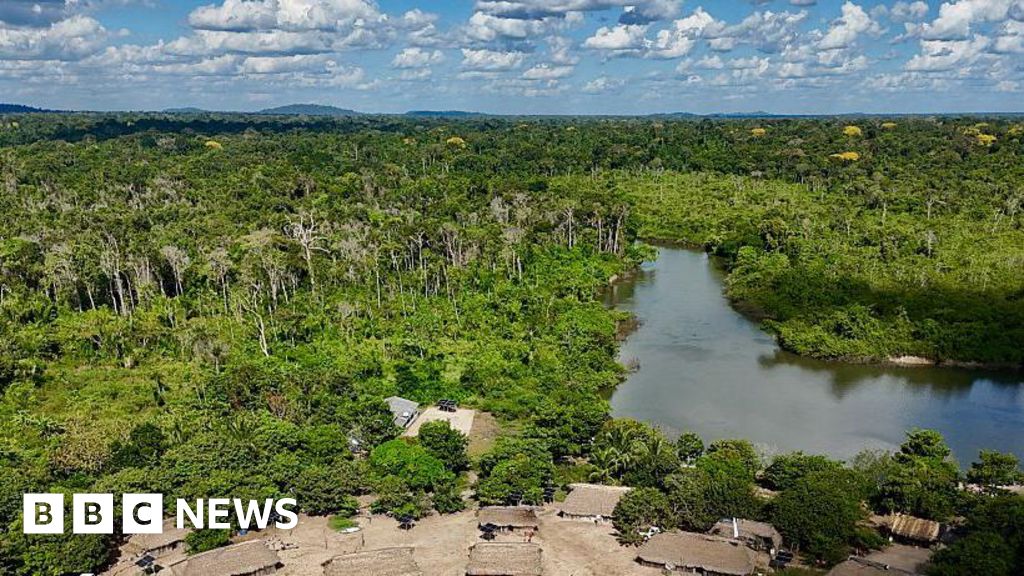
Brazil's Amazon sees sharp decline of area burned in 2025
The area burned in Brazil's Amazon in 2025 was far smaller in size than the previous year, according to the deforestation monitoring group MapBiomas. A MapBiomas report states that 3.1 million hectares of Brazil's Amazon were burned last year, compared with a record-breaking 15.8 million hectares in 2024. The amount of land burned in the world's largest rainforest last year covered the smallest area since MapBiomas records began in 1985. Protecting the Amazon was one of the pledges President Luiz Inácio Lula da Silva made when he was running for running for office four years ago. These latest figures will be seen as a boost to his campaign for re-election in October. In 2024, the Amazon rainforest experienced its worst forest fires in over two decades, which the Copernicus Climate Change Service put down to "climate extremes and human activity". "The 2025 figures are significant and show that it is possible to reduce the burned area in the country," Vera Arruda, a researcher at the Amazon Environmental Research Institute (IPAM) and co-ordinator at MapBiomas, told the BBC. "The 31% drop compared to the historical average - driven primarily by the lowest number of fires recorded in the Amazon in 41 years - is positive news, but it does not yet allow us to conclude that this is an established trend or to scale back prevention efforts," Arruda added. The MapBiomas report shows a dramatic drop in area burned not just in the Amazon, but across the whole of Brazil in 2025. Figures show around 12.7 million hectares burned in Brazil in 2025, compared to 30 million hectares in 2024. The highest number of hectares burned in Brazil since records began was in 2007, when 30.7 million were recorded across the country. The decline in the 2025 figures partly reflects an easing of the unprecedented fires of 2024, helped by cooler La Niña conditions instead of the warmer El Niño. But MapBiomas warned the natural weather pattern of El Niño, which pushes up global temperatures, could extend this year's dry season and increase the risk of forest fires. Tropical rainforests like the Amazon are home to millions of species, and in a healthy state they absorb vast quantities of planet-warming carbon dioxide, helping to keep the Earth cool. They have come under increasing pressure as a result of decades of deliberate land clearance for agriculture and logging, as well as climate change, which scientists warn can create the conditions for bigger fires to spread. When he took office, President Lula promised to reverse the deforestation which occurred during the presidency of his predecessor, Jair Bolsonaro. Bolsonaro argued that more farming and mining in the Amazon would reduce poverty in the region and environmentalists accused him of allowing deforestation to accelerate. Three years into Bolsonaro's four-year term, the amount of trees cut down in the Amazon rainforest went up by 75%. On his first day in office, on 1 January 2023, Lula insisted that "our goal is to achieve zero deforestation in the Amazon". While that pledge was warmly welcomed by environmentalists, there has been widespread criticism of Lula's decision to approve oil exploration at the mouth of the Amazon river, which activists say flies in the face of his promise to protect the Amazon region.
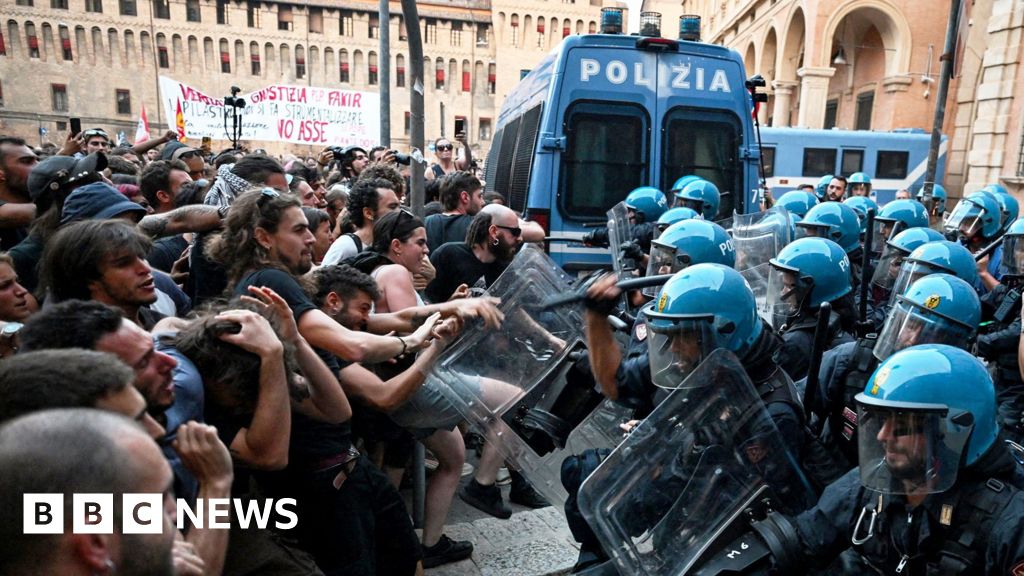
Italy protests: Dozens hurt in Bologna after man dies while being restrained by police
Protests have taken place in Italy after the death of a Moroccan-born man while being forcibly restrained by two police officers in the northern city of Bologna. Several thousand people took to the streets on Monday night demanding "justice for Abderrahim Fakir". A smaller group then splintered off and clashed with police into the night. Prosecutors say 64 police were hurt in the unrest. Prime Minister Giorgia Meloni said it was imperative that the truth surrounding his death should be investigated but "nothing can justify violence against law enforcement". Police had been called on Sunday morning after a neighbour witnessed Fakir "behaving erratically" and kicking garage doors in the working class neighbourhood of Pilastro. The officers tried to calm the situation but then used pepper spray. A video circulating on Italian media shows two policemen sitting on Fakir as he lies face down and cries out for them to stop. A third person who is not a policeman pins his legs down as emergency workers stand by. About two minutes into the video, Fakir stops struggling. The police officers tie his wrists and ankles and, when one of them realises Fakir is no longer moving, slaps him twice on the cheek. By the time an ambulance worker approaches, it is clear Fakir is unconscious. Prosecutors in Bologna have opened an investigation into manslaughter against the police officers and the medical workers who were present at the scene. Several eyewitnesses told Italian media that while Fakir appeared to be in distress he did not threaten anybody and was clearly unarmed. "You can't die like this," his sister Khadija told Italian media. "They killed him mercilessly, and I want the truth." Bologna mayor Matteo Lepore told Italy's La Repubblica newspaper that anyone who watched the video was "shocked". He called for the demonstration in central Bologna on Monday evening and invited Fakir's niece to join him on stage. "He was my uncle. He wasn't a number, he wasn't a news line... he was loved," Yossra Fakir said. "He deserved to be helped and heard, and he deserved dignity." While the main demonstration on Monday night was peaceful, about 100 protesters clashed with police into the night and set two cars alight. Lepore said on Tuesday he had seen "two different squares" in Bologna - "thousands of people gathered peacefully and spontaneously to express their support for Abderrahim Fakir's family" and a smaller group "who think they can respond to violence with violence". Domenico Pianese, the Secretary-General of the police union, criticised Lepore's decision to call for a demonstration that later descended into chaos. Calling for a protest "the day after a dramatic event like this one," Pianese said, was like calling "all the pseudo-anarchists and those who are anti-police... to take advantage and protest against the state". Asked about what police got wrong when they detained Fakir, he said: "Judging from the images we saw, the intervention was carried out correctly." Pianese argued that the fact the two officers had to use pepper spray and needed the help of a civilian to restrain Fakir showed that the use of force had not been excessive. "The first thing they did [after the incident] was... hand all [bodycam] footage to prosecutors," he said. Prime Minister Giorgia Meloni called the events "unacceptable". While Fakir's death should be "thoroughly investigated," she said, "nothing can justify violence against police." "Those who chose to use this incident as a pretext to set the city ablaze, attack officers, and sow violence... were not seeking the truth: they were seeking confrontation," she said. According to Italian media Fakir's family arrived in Italy over three decades ago and had been living near Bologna since, where Fakir ran a small logistics and delivery company. The lawyer who was handling his residency permit request, Barbara Spinelli, wrote on Facebook: "[Fakir] was a hardworker, he was kind... Ask yourselves why he died in the hands of those who had an institutional duty to protect his life." Some of the signs at the Bologna protest referenced other infamous cases of people who have died in police custody, like that of Stefano Cucchi, who died in 2009 after being held by police for six days. His sister Ilaria Cucchi, now a senator and member of the opposition Greens and Left Alliance party, criticised the government for the "solidarity" expressed to police. Others on the opposition benches too criticised the government's backing of the police. "If the right wants to import the ICE model, this is the wrong country for it," Francesco Boccia of the centre-left Democratic Party (PD) told the media.
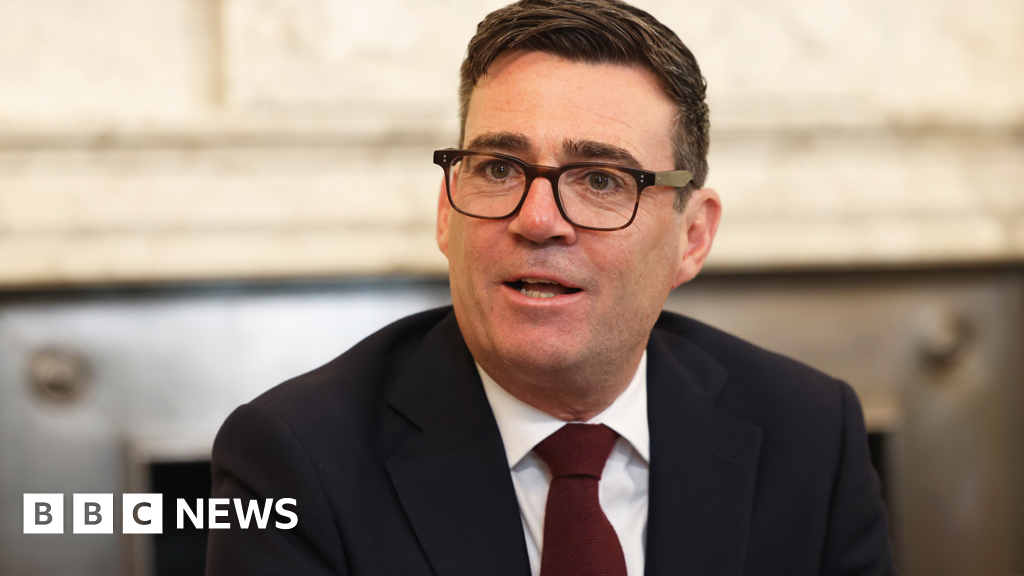
Sackings, cabinet surprises and policies: Andy Burnham's first 24 hours as PM
Shortly after Andy Burnham telephoned a number of Keir Starmer's allies to sack them from the cabinet on Monday afternoon, John Healey received the signal to head to Number 10. Wearing a suit and one of his many red ties, the former defence secretary left parliament alone via a back entrance next to a pub. "I'm on my way to a meeting," he said with a slight smile as he marched down Whitehall. Healey's imminent appointment as chancellor was a surprise - to him, to his Labour colleagues, and to the British public. It was a consequential moment among a flurry of announcements from the new prime minister, including today's cut in VAT on energy bills, that demonstrate the new government's intention to move at breakneck speed - at least for now. The Conservatives support that tax cut but have questioned its funding. Five weeks earlier Healey had weakened Keir Starmer's grip on Downing Street by quitting as defence secretary in a row over military spending. Soon he would be back around the cabinet table alongside two others whose recent resignations had also damaged Starmer - new defence secretary Wes Streeting and new energy secretary Miatta Fahnbulleh. Were they rewarded for rebelling and hastening Burnham's path to office? Possibly. But all three are also widely seen as skilled operators taking on complex roles. John Healey's elevation to the second most important job in government has delighted senior figures in the Ministry of Defence, who are relieved to have someone in the Treasury who is committed to increasing military spending. "It's brilliant for us," said an insider. Yet the same MOD source is also relieved Healey is not returning. "We were dreading him coming back", they said. "He's a difficult person". Even some senior Conservatives think Healey's appointment as chancellor was clever. "For a number of reasons", explains one former Tory cabinet minister. "He's not Ed Miliband, he's hard to attack, and he's Treasury-literate." Healey served as a minister in the department for five years during Tony Blair's premiership. Burnham ally Anneliese Midgeley has the difficult task of trying to keep Labour MPs - including those sacked as ministers - loyal to the government. Former chief secretary to the prime minister Darren Jones's public swipe at Burnham's energy bills policy is a sign not all will play nice. One Labour MP claims that those sacked by Burnham can be divided into three groups. "Some went because of their politics, others just weren't good, and then there are those disliked in the parliamentary Labour party," said the MP. Behind the scenes, many in Westminster are talking about the possibility of Burnham taking advantage of a possible bounce in the opinion polls and calling a snap general election. Nigel Farage wants one and argues it is necessary since Burnham has no mandate. But with the Reform leader facing both a by-election and questions over his finances, some in his party worry that if Burnham moves too fast, Farage could miss his one great chance to become PM. "We are really worried about a snap election," said the Reform source, grinning. "Which is why we're calling for a snap election." Across all the parties at Westminster, plans are being put in place in case a snap contest is called. "We've started preparing," said a senior Liberal Democrat aide. Burnham has appeared to rule out heading to the polls. It would certainly anger some Labour MPs who could lose their seats. Yet it would also offer the new PM an opportunity to get a fresh mandate for more radical policies, as well as secure his position for a full five year term. "There is economic pain coming down the horizon", says the former Conservative cabinet minister. "And it's about how far he [Burnham] gets ahead of it. He faces a choice between going for an election, and a slow decline as we saw with Gordon Brown." That former PM was dubbed "bottler Brown" in 2007 after considering going to the polls before deciding against it. Yet Brown got to Number 10 with a mixture of patience, caution, guile and ruthlessness, whereas Burnham's speedy rise was largely due to one major electoral gamble. After his success in Makerfield and then the Labour leadership contest, will Burnham fancy another throw of the dice? Sign up for our Politics Essential newsletter to keep up with the inner workings of Westminster and beyond.
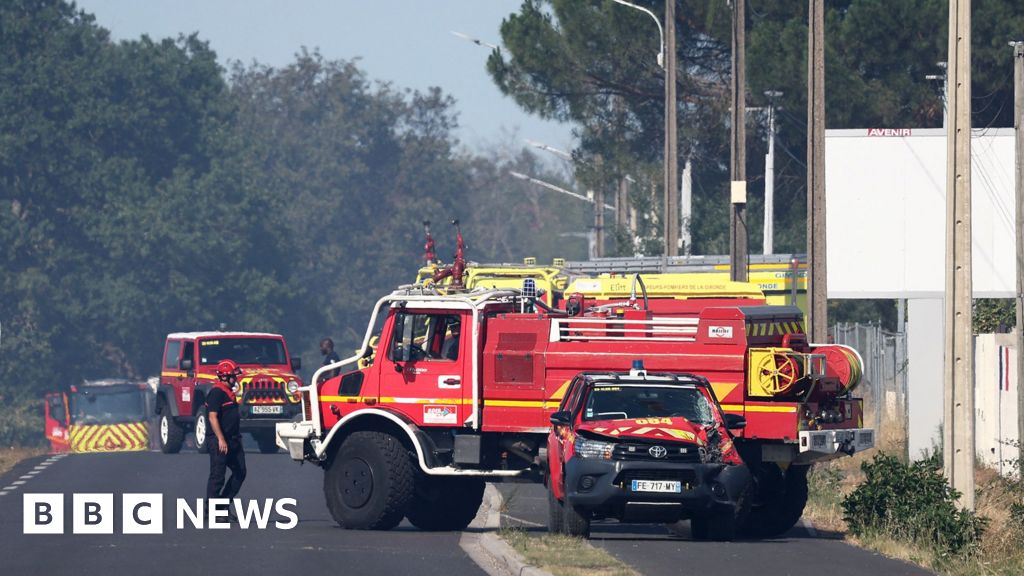
Two French firefighters die tackling blaze near Bordeaux airport
Two firefighters have died while battling a huge blaze near Bordeaux's airport in south-west France, officials have said. Reports in French media say the blaze, near one of the parking lots at the airport, originated from a brush fire and then spread to a building. Pictures shared on social media show passengers getting off a plane as a massive plume of smoke rises nearby. A number of flights scheduled to arrive at Bordeaux–Mérignac airport have been delayed. Some 100 firefighters, backed by specialist aircraft, are reported to be trying to extinguish the blaze. The country's Interior Minister Laurent Nuñez said he had been informed about the deaths by officials in the Gironde department. Speaking during Tuesday's question-and-answer session at the French parliament, Nuñez also said he would travel to Gironde "as soon as possible" to oversee the firefighting efforts. Gironde is one of several French departments ravaged by wildfires in recent days, due to a series of unusual and prolonged heatwaves. Also on Tuesday, a huge fire broke out in the south-eastern Var department. The blaze in the Pontevès commune "is currently out of control and is evolving rapidly", said the PSFDF volunteer association, which monitors fires across France. It said 600 firefighters and rescuers had been deployed to contain the fire, and 150 people had already been evacuated. France has registered nearly 11,000 fires since the beginning of the year, with President Emmanuel Macron saying last week that there had not been so many blazes in the country since World War Two. Tuesday's satellite data from the European Forest Fire Information System (Effis) shows that more than 42,000 hectares (103,784 acres) burned in France between January and mid-July, surpassing the previous record set in 2022. Climate change is driving up temperatures around the world, and Europe is the fastest warming continent, heating up twice as fast as the global average, according to the Copernicus Climate Change Service. This is causing increased summer heatwaves, greater pressure on Europe's water supply, and more intense wildfires. The record-breaking temperatures across Europe this summer have led to major wildfires, most notably in Spain where at least 13 people have been killed. Some 29,000 hectares of land have been destroyed by a massive wildfire north of the Spanish capital Madrid.
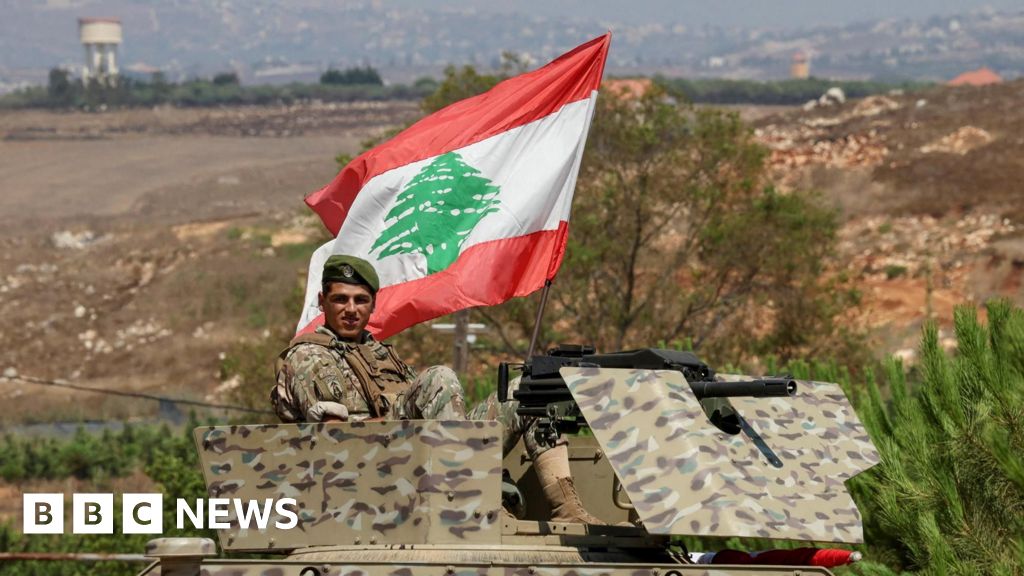
Lebanese army says troops deploying in 'pilot zone' after Israeli withdrawal
Lebanon's army says its troops are deploying to a "pilot zone" in the south of the country following the withdrawal of Israeli forces under a US-brokered agreement reached last month. Engineering units entered the village of Zawtar al-Gharbiyeh in Nabatieh district on Tuesday morning, the army command announced. Later, it said Israeli forces had opened fire in the vicinity of the troops. Israel's military said warning shots had been fired after the troops crossed into the Israeli-declared "security zone". The pilot zone plan should see Israeli troops pulling out of a small part of the territory occupied during their conflict with Hezbollah and the disarmament of the Iran-backed Lebanese group. Tuesday's deployment began ahead of a meeting in Washington between US President Donald Trump and his Lebanese counterpart, Joseph Aoun. Aoun was expected to urge Trump to put pressure on Israel to withdraw from the rest of southern Lebanon and support the Lebanese army in taking full control of areas where Hezbollah holds sway. "I told him [Trump] I need two things from you: political support and supporting the LAF [Lebanese Armed Forces]," Aoun told reporters in the Oval Office. Speaking alongside Aoun, Trump vowed that the US would provide help to Lebanon which had been "hit hard" for decades. "It's been a very badly treated place and country, and we're going to have it properly treated," he said. "And treated with the respect it deserves." The US state department announced on Monday afternoon that "pilot zone operations" had begun in Zawtar al-Gharbiyeh and two other Lebanese villages, Froun and Srifa, in line with the Trilateral Framework agreed by Israel, Lebanon and the US at the end of June. It said the "milestone" was the direct result of discussions last week between Israeli and Lebanese representatives in Rome. Later on Monday, an Israeli military official confirmed the Israel Defense Forces (IDF) would "adjust its force posture in one of the pilot areas" to allow the Lebanese army to carry out its mission, while also "safeguarding the security of IDF soldiers and preserving its right to self-defence and to remove threats". "The objective of the pilot and the agreement is the disarmament of the Hezbollah terrorist organisation and the removal of its illegal weapons," the official said. They also reiterated that the IDF would remain in the "security zone" - the 10km (six-mile) deep strip of occupied Lebanese territory running along the border - for "as long as necessary" to defend northern Israeli communities. On Tuesday, the Lebanese army's command said its units had begun deploying to Zawtar al-Gharbiyeh "based on ongoing communications with the Military Co-ordination Group for Lebanon", referring to the trilateral body created to support implementation of the framework. The statement also called on Lebanese citizens "not to head to the village until the security situation stabilises, and to comply with the instructions of the deployed military units for their own safety". Later on Tuesday, the army command said Israeli forces had "opened fire in the vicinity of these units" and warned that the "attack hinders the implementation of deployment steps in the pilot zones". The IDF said its soldiers had fired "warning shots into the air" after the Lebanese troops and an engineering vehicle "crossed approximately 150m (490ft) into the security zone and breached the barriers" in the neighbouring area of Zawtar al-Sharqiyeh. The Lebanese troops "withdrew from the area, and no injuries were reported", it added. The Lebanese army said its troops were already carrying out missions in nearby Froun and Srifa following Monday's US announcement. An Israeli source also told Haaretz newspaper that there were no Israeli troops in those villages. Also on Tuesday, Lebanon's state-run National News Agency said Israeli forces were behind two large explosions near the villages of Beit Yahoun and Kounine, in Bint Jbeil district. It also reported blasts from Israeli controlled demolitions in the town of Majdal Zoun, in Tyre district. In areas still occupied by Israeli forces, many villages have been completely destroyed by Israeli strikes or demolitions. The Israeli military says it has been destroying Hezbollah infrastructure, but human rights groups say some of what has happened there amounts to the deliberate destruction of civilian infrastructure, a possible war crime. Hezbollah has rejected the agreement between Lebanon's government, Israel and the US, saying the provisions linking Israel's withdrawal to the group's disarmament crossed "all red lines". Israel has said it will not fully withdraw from the country until the group is fully disarmed. According to Trump, the US has "concrete plans" to help Lebanon build the capacity to disarm Hezbollah, but he provided no details. "They're also becoming much more self-sufficient," Trump said of the Lebanese army. Additionally, Trump said he would speak directly to representatives of Hezbollah if requested by Aoun. Lebanon was drawn into the war between Israel, the US and Iran on 2 March, when Hezbollah launched rockets into Israel in retaliation for a strike that killed Iran's supreme leader. Israel responded by launching a bombing campaign across Lebanon and invading a significant part of the country's south. More than 4,300 people have been killed in Lebanon, including almost 800 children, women and medics, according to the Lebanese health ministry. Israeli authorities say 37 Israeli soldiers and four civilians have been killed on both sides of the border during the conflict.
Ukraine Russia war: Zelensky sacks top army commander after days of protests
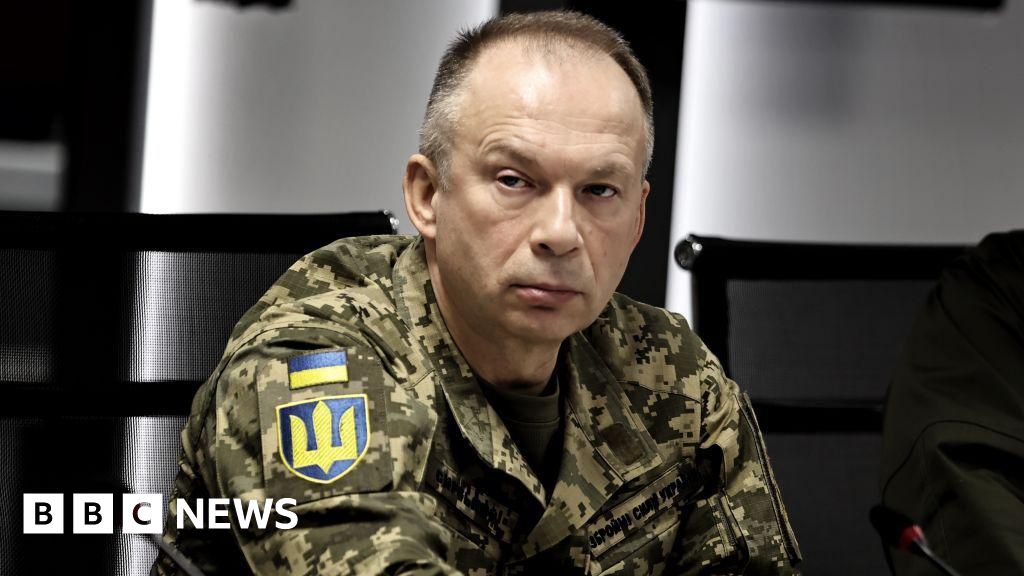
Ukrainian President Volodymyr Zelensky has sacked the country's commander-in-chief, Oleksandr Syrskyi. His dismissal comes just days after the removal of popular Defence Minister Mykhailo Fedorov - a move that triggered street protests across the country. Initial rumours that the end of Fedorov's tenure was related to a conflict between him and Syrskyi were soon confirmed. Fedorov, 35, has been widely praised for energising the ministry and transforming the armed forces, as well as leading a drive against corruption. Syrskyi, 60, is seen by many in Ukraine as a Soviet-school commander reluctant to implement radical changes in the army. He was replaced by Mykhailo Drapatyi, who is a popular, battle-hardened general. In a video post on social media late on Tuesday, Zelensky thanked Syrskyi for his military campaigns, including his role in successfully defending the capital Kyiv during the first days of Russia's full-scale invasion in 2022. Zelensky also revealed that earlier in the day, he met Fedorov and offered him a "worthy position in power", but did not say whether the offer had been accepted. Fedorov was last week replaced by Yevhenii Khmara, a former top official at Ukraine's Security Service (SBU). "All decisions will be formalised tomorrow," Zelensky added in his post.